Florida Keys Fishing Tips
 Everyone has questions about fishing from a sailboat in the Florida Keys. If you will be fishing,
either on the boat or from a pier or on land, For a sailing trip in the Florida Keys, you'll usually be
Everyone has questions about fishing from a sailboat in the Florida Keys. If you will be fishing,
either on the boat or from a pier or on land, For a sailing trip in the Florida Keys, you'll usually be
- Trolling: which means, fishing while the boat is moving.
- Bottom fishing: fishing while you are standing still (at anchor), that's dropping baits or jigs to the bottom.
This means, there are different lures, baits, and methods used, and different types of fish caught! Ultimately, your captain will be the on-boat expert to guide you, but here is some tips, tricks, photos of the fish and which lures work best for each. If you just want to see photos of the fish click here, or you can scroll down this page for the photos and the detailed information about baits, lures and how to catch these fish, plus photos!
Trolling:
- Mahi-Mahi (Dolphin)
- Snapper (red, yellowtail, mangrove, mutton)
- Cero mackerel and Spanish mackerel
- Barracuda
Bottom fishing
- Blackfin Tuna
- Grouper
- Lobster (OK, they're not a fish, but you may pull one up when bottom fishing)
How to - Fishing Cheat Sheet Tips
- Which size hook to use
- Bottom fishing
- When Captain Calls a Fishing Spot (Reef, Drift, Trolling)
- Keys Fishing Zones: what gets caught where
- Final fishing tips
- All about lures
Later, check out this
Sea Base Fish Identification Guide PDF.
And you can see many
photos of
the fish in crew photos on the Sea Base website.
A note about fishing license:
Sea Base, responding to a question on Facebook said (May 2026): "Participants do not need to purchase their own individual fishing licenses for any programexcept for Keys Adventure, Fishing Adventure, and Out Island Adventure, all of which take place at the Brinton Environmental Center in Summerland Key, FL. More information and specific details are here. Please find the most recent fishing license update for Brinton Environmental Center programs here
What kind of fish do people typically catch when fishing?
I took a poll on Sea Base Trek Talk and here's what past participants on boats and from docks reported they caught and the overall frequency:
- Barrasuda (16%),
- Yellowtail snapper (14%),
- Mangrove snapper (12%),
- Mahi-Mahi (12%),
- Grouper (8%),
- Cero mackerel (5%),
- Spanish mackerel (5%),
- tuna (2%T
- and occasionally red snapper, yellow jack, amberjack, Mutton snapper, plus a few puffers, Blue Stripe
Grunts, wahoo and porgy.
How do I catch each type of fish?
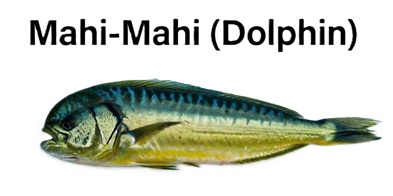 Mahi-Mahi (Dolphin)
The most productive trolling lures are:
- Ilander-style skirted lure -
(in blue/white, blue/pink, or green/yellow)
* A classic Florida Keys mahi lures.
* Effective from 5–8 knots while sailing. - Small feather lure
* Comes in white, blue/white, or pink.
* It is inexpensive and catches mahi, tuna, and kingfish. - Dolphin Junior-style skirted lure
* Excellent for school-size mahi.
Snapper
For snapper in the Florida Keys, lures can work, but natural bait
usually outfishes lures by a wide margin. When fishing from a sailboat around reefs or patch
reefs, these are the most effective lure choices are: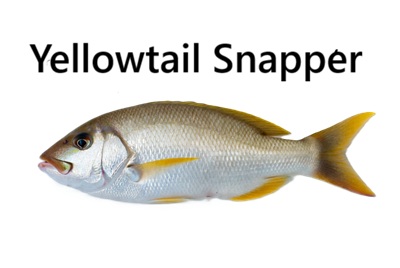
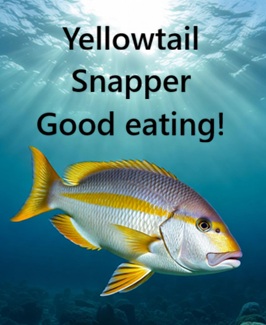
Yellowtail Snapper
Yellowtail Snapper offers sweet, delicate, flaky white meat; it shines when grilled whole, pan-fried with skin on, or served as fresh ceviche.
Yellowtail are often attracted with a chum slick and then caught on light tackle.
Best lures:
- 1/8–1/4 oz bucktail jigs (white, chartreuse, pink)
- Small soft-plastic paddle tails (3–4 inches)
- Small shrimp-imitating soft plastics
Most anglers use:
- Small pieces of shrimp
- Squid strips
- Cut ballyhoo
Red Snapper, Mangrove Snapper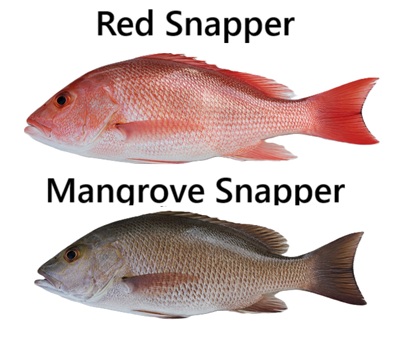
Mangroves often hide around docks, mangroves, reefs, and wrecks. They hit artificials more readily than yellowtails. These snappers have mild, firm, sweet white flesh; they are excellent pan-seared, grilled with citrus butter, or blackened.
Best lures:
- 1/4–1/2 oz jigheads with soft plastics
- Small bucktail jigs
- Shrimp imitation lures
Mutton Snapper
Muttons are more aggressive and will often strike jigs worked near the bottom.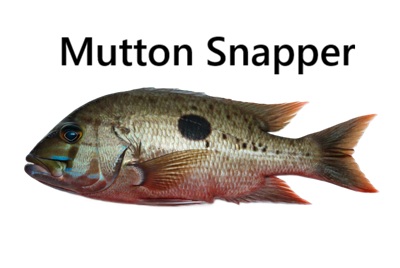 Mutton Snapper features mild, flaky, and moist white meat; it is delicious grilled, baked, or fried as fillets
or in sandwiches.
Mutton Snapper features mild, flaky, and moist white meat; it is delicious grilled, baked, or fried as fillets
or in sandwiches.
Best lures:
- 1–3 oz bucktail jigs
- Vertical jigs
- Large soft plastics bounced along the bottom
A Snapper Kit for Sea Base
The following weighs almost nothing and will catch snapper, grouper, jack crevalle, barracuda, and many other Keys species:
- Several 1/4 oz white bucktail jigs
- Several 1/2 oz chartreuse bucktail jigs
- A pack of 3–4 inch paddle-tail soft plastics (white pearl or chartreuse)
- A few 1/4 oz jigheads
Most Effective:
A 1/4 oz white bucktail jig tipped with a small piece of shrimp is one of the most effective all-around Florida Keys reef rigs. This setup may produce more fish than all the trolling lures combined. It catches:
- Yellowtail snapper
- Red Snapper
- Mangrove snapper
- Mutton snapper
- Grouper
- Grunts
- Hogfish
Obviously, having/keeping fresh /frozen shrimp on a sailboat in the hot summer is... unlikely. BUT you can
bring a shelf-stable substitute:
Fishbites E-Z Shrimp Shelf-stable synthetic bait strips which smells like shrimp, Doesn't dry out or spoil,
Can be cut into tiny pieces and threaded onto a bucktail jig and it is excellent for:
Cero Mackerel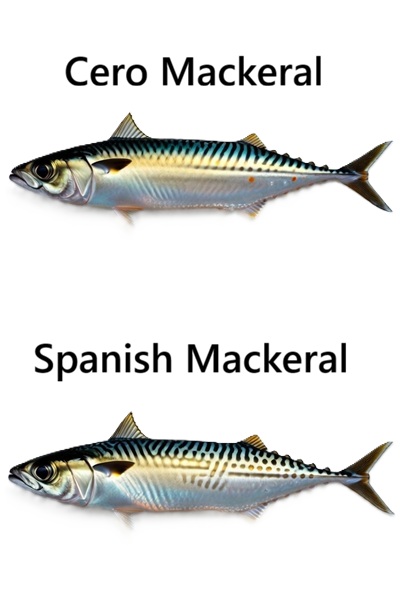
Cero mackerel are often found around patch reefs, bait schools, and birds in the Florida Keys. They are commonly attracted with a chum slick and caught on light spinning tackle. They are fast and aggressive, so a short wire leader is recommended. Cero Mackerel has a clean, buttery, mild flavor (less fishy than Spanish mackerel); it is outstanding as sashimi, grilled simply, or smoked.
Best lures:- Silver spoons (Clarkspoon, Kastmaster) - cast or troll fast
- Small flashy jigs or pompano jigs (white, chartreuse, pink)
- Topwater plugs or shallow-running plugs
- Small bucktails or soft plastics
- Live ballyhoo or pilchards (free-lined in the chum slick)
- Live shrimp
- Cut bait (ballyhoo, squid, or pilchard strips)
Spanish Mackerel
Spanish mackerel are schooling fish often targeted nearshore, around birds, bait balls, or in shallower waters. They respond very well to chum and fast-moving presentations on light tackle. Spanish Mackerel delivers rich, savory, moderately oily meat with a pleasant flavor when fresh; it is best grilled, blackened, smoked, or pan-seared.
Best lures:- Silver or gold spoons (Clarkspoon, Kastmaster, Gotcha) - cast or troll fast
- Small jigs or bucktails (white, chartreuse, pink)
- Bubble-and-straw rigs or small lipped plugs
- Live shrimp
- Live pilchards or threadfins
- Cut bait (squid strips, ballyhoo, or menhaden)
General Notes
- Use light spinning gear (10–20 lb line)
- Always use a short wire trace to prevent bite-offs
- Chumming is highly effective for both species
- Trolling spoons works well to locate schools
Barracuda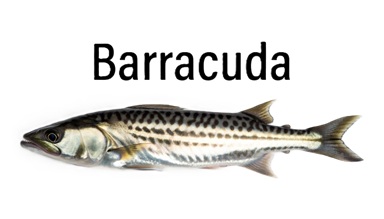
Barracuda are common in the Florida Keys around reefs, wrecks, channels, and nearshore flats. They are curious and aggressive predators often attracted by splashing, shiny objects, or a steady chum slick. They are typically caught on light to medium spinning or conventional tackle, but require wire leaders due to their razor-sharp teeth.
Small barracuda provide firm, white, flaky, mild meat; they are great grilled, fried, or in sandwiches (avoid larger
fish due to ciguatera risk).
- Shiny silver or gold spoons (large Clarkspoon, Kastmaster, or Drone spoons) - trolled or cast fast
- Tube lures or large soft plastics (pencil eels, jerkbaits)
- Topwater plugs (poppers, pencil poppers, or walking baits)
- Wire leader rigs with flashy bucktails or jigs
- Live bait (ballyhoo, pilchards, pinfish, or mullet) - free-lined or on a sliding sinker rig
- Cut bait (ballyhoo or squid strips)
- Large strip baits from bonito or other fresh catches
General Notes
- Use 20–50 lb braid or mono with 30–60 lb fluorocarbon or wire leader (single-strand or coated cable, 12–24 inches)
- Fast, erratic retrieves work best
- Trolling along edges of reefs or flats is very effective
- Look for birds, bait schools, or “nervous water”
- Handle with care - barracuda have very sharp teeth and can be dangerous
Bottom Fishing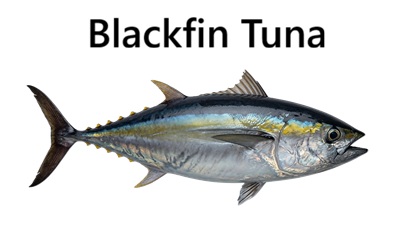
Tuna (especially Blackfin Tuna)
OK If you have seen those reality shows about fishing for tuna, you're probably conjuring up images of a 10 foot long 800 lb tuna . Well, not really here. But scouts do catch tuna like this 32 inch blackfin tuna and it is really good eating. Blackfin Tuna has rich, flavorful, firm dark-red meat; it is superb raw as sushi/sashimi, grilled rare, or in nachos/tacos.
- Cedar Plug
* Arguably the most famous tuna lure ever made.
* Simple wooden lure that tuna love.
* Very effective behind a sailboat. - Small jet-head lure
* Black/purple or blue/white.
* Runs well at sailing speeds. - Small feathers
* Same lures as used for mahi, and often catch blackfin tuna, too.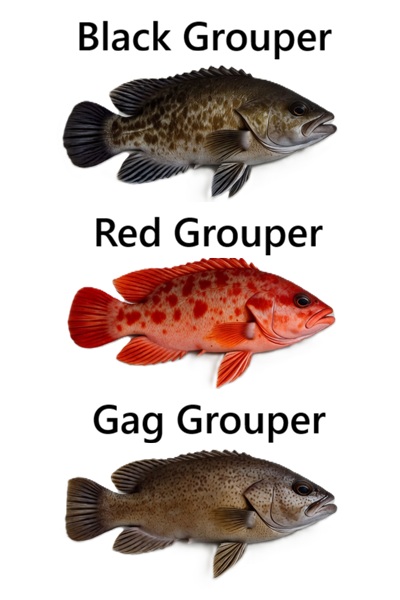
Grouper
Grouper generally aren't caught by trolling. They are usually caught by dropping baits or jigs to the bottom. Grouper are super tasty!!! Grouper is prized for its mild, sweet, firm white meat with large flakes; it is classic when blackened, broiled, fried for sandwiches, or baked.
Good options for jigs are:
- Bucktail jigs (1–3 oz)
* White or chartreuse.
* Tip with squid or cut bait if allowed. - Vertical jigs
* 2–6 oz metal jigs.
* Work around reefs and wrecks. - Live bait rigs
* Usually the most effective grouper method, but not practical on most sailing trips.
Lobster
Lobster Season in the Florida Keys (Spiny Lobster) has a mini-season and a regular season
Mini-Season (Sport/Recreational Only)
- Dates: July 29 and– 30, 2026 (always the last consecutive Wednesday and Thursday in July)
This is the famous 2-day “mini season” popular with recreational divers and snorkelers.
Regular Season (Both Recreational and Commercial)
- Dates: August 6, 2026 to March 31, 2027
Opens at 12:01 a.m. on August 6 and closes at midnight on March 31. L - Limit during regular season: 6 lobsters per person.
- During mini-season: Also 6 per person in Monroe County & Biscayne National Park (12 elsewhere in Florida).
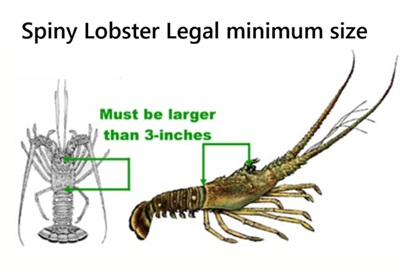
- Minimum size: Carapace must be greater than 3 inches (measured in the water).
- Egg-bearing (berried) lobsters must be released unharmed.
- No night diving during mini-season in many areas.
- No diving/snorkeling within 300 feet of shorelines during both mini and regular seasons in the Keys.
- A recreational saltwater fishing license + lobster stamp/permit is required.
For the most up-to-date rules, always check the official
Florida Fish and Wildlife Conservation
Commission (FWC) website or the
Florida Keys
tourism site
Other fish caught in the keys
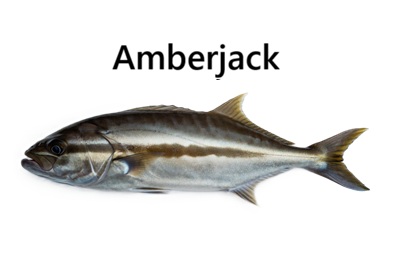
Amberjack has a mild to moderate flavor with firm, meaty texture; it is versatile when grilled, broiled, smoked, baked, or used in chowders.
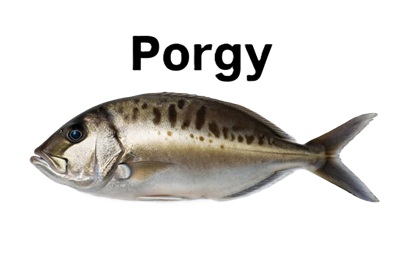
Porgies have sweet, mild, flaky white meat; they are typically pan-fried, grilled, or baked whole.
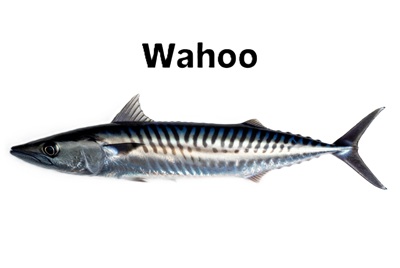
Wahoo offers lean, clean, sweet white meat with a mild flavor; it excels grilled, pan-seared, broiled, or as sashimi.
Sea Base Fishing Cheat Sheet for a Florida Keys Sea Base Sailing Trip
Your captain's advice is the best, but if he/she is not a fisherman, here's what you need to know:
1) Choose Hook Sizes by Your Target Fish
Reef / Bottom Fishing
- Mangrove Snapper: 1/0 – 2/0 circle hook
- Yellowtail Snapper: 1/0 – 2/0 circle hook
- Grunts / Porgies: #1 – 1/0 circle hook
- Red / Black Grouper: 5/0 – 7/0 circle hook
- Mutton Snapper: 3/0 – 5/0 circle hook
Offshore / Trolling
- Mahi Mahi: 4/0 – 7/0 hooks (or crew lures)
- Blackfin Tuna: 4/0 – 7/0 circle hook
- Wahoo: wire leader + 6/0+ hooks
Rule: Smaller bait = smaller hook. Bigger bait = bigger hook.
2) Bottom Rig Setup (10-Second Method)
When captain says “drop bottom”:
- Slide egg sinker onto main line (1–6 oz depending on current)
- Attach swivel to main line
- Attach fluorocarbon leader (18–36 inches)
- Tie on circle hook
- Add bait (cut bait or FishBites shrimp)
- Drop straight down until line goes slack, then reel slightly tight
Important: Do NOT set the hook hard. Just reel steadily.
3) What to Do When Captain Calls Fishing Spots
Reef stop
- Get ready before stopping
- Ask depth if needed
- Use heavier sinker if current is strong
- Drop straight down
Drift fishing
- Keep line vertical
- Re-bait often
- Watch for subtle bites
Trolling
4) Keys Fishing Zones
Shallow reefs (10–40 ft)
- Yellowtail snapper
- Mangrove snapper
- Grunts
Patch reefs (40–120 ft)
- Snapper
- Mutton snapper
- Small grouper
Deep reef edges (120–300 ft)
- Grouper
- Amberjack
- Larger snapper
Open water (trolling zones)
Look for birds, floating grass lines, and water color changes.
5) Quick Pro Tips
- Keep bait fresh
- Smaller bait often catches more fish
- Change depth or bait every 10–15 minutes if no bites
- Copy what successful anglers are doing
- Reef fishing requires patience and steady line control
- Trolling is controlled by crew
Golden Rule
Simple rig + correct depth + fresh bait = success
If You Bring Lures
You should not need to bring lures, but if you do, this "minimalist" pack that will cover mahi, tuna, king mackerel, barracuda, jack crevalle, and bottom fishing
opportunities is:
- Blue/white Ilander-style skirted lure
- Green/yellow skirted lure
- Cedar Plug
- White feather lure
- A 2 oz white bucktail jig
Practical lure tips:
Most Sea Base captains who allow trolling will put out a single:
- blue/white feather,
- cedar plug,
- or small skirted trolling lure.
They're durable, don't require much skill, and fish effectively at typical sailing speeds of 5–7 knots.
One caution:
Avoid bringing large offshore trolling lures intended for marlin or sailfish. They're expensive, require heavier tackle than most Sea Base boats carry, and are unlikely to be used. A few small feathers and a cedar plug are often all you need.
Here are some of the species seen in the water, on land in in the sky's:
- Land: iguanas, curled tailed lizards, anoles, No alligators: they cannot live in salt water.
- Sea: sea turtles, stingrays, dolphins, puffer fish, groupers, sea stars, sea cucumbers, conchs, lobsters, crabs, horseshoe crabs, grunts, angel fish, barracudas, snappers, trumpetfish, nurse sharks,
- Air, land and or sea: pelicans, herons, parrots, chickens (at Key West), ibis, ospreys, egrets!
-
Restaurants: chicken and fish, plus a few land mammals (ground beef)!
Sea Base Islamorada guides
- Sea Base - What to know; checking in, site map, photos, etc
- All sailing Adventures
- Coral Reef Sailing
- Keys Adventure Islamorada(KI)
- Eco Sailing,
- Sea Exploring,
- SCUBA
- Dorms at Islamorada
- Sea Base Ship Store (in the Keys) prices, photos
- Islamorada Sea Base tips and info
Sea Base Brinton BEC guides
- BEC Keys Adventure
- BEC Out Island Adventure
- BEC Florida Fishing Adventure
- BEC site map, dorms, check-in, more
St Thomas / Bahamas guides
Gear
- Packing checklist and calculator
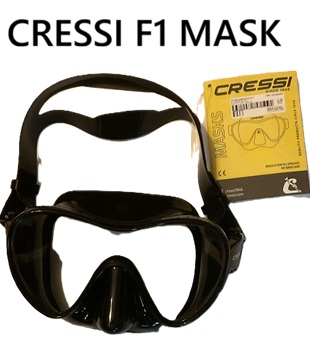
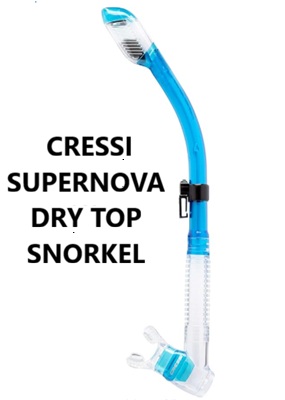
- Selecting snorkels and masks
- Guide to underwater cameras
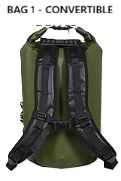
- Duffle bag choices
- Sleeping liners, mats, etc
- Reef-safe sunscreens: Blue Lizard or Banana Boat
- Self-inflating foam mats
- Sea Base forms and documents
Sea Base Info
- Sailboats: detailed inside photos and info
- Sea Base trip tips
- Sea Base FAQs
- Awards Scouts Can Get At Sea Base
- Guide to custom crew shirts
- Merit badges at Sea Base
- Sailing and Boating Terms
- Best snorkeling locations
- Fish and marine life you will see (photos)
- Fishing: edible fish identifer
- Things to do before/after Sea Base
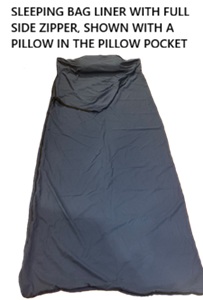 Sleeping bag insert / liner
(with zipper and pillow pocket)
to use instead of a sleeping bag in hot climates
Sleeping bag insert / liner
(with zipper and pillow pocket)
to use instead of a sleeping bag in hot climates
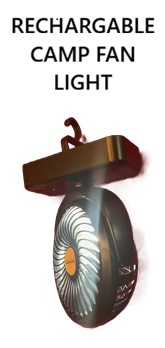 Portable Camping LED Light and Fan, 40hrs Rechargeable,
stands or hangs in tent/ ground.
Portable Camping LED Light and Fan, 40hrs Rechargeable,
stands or hangs in tent/ ground.
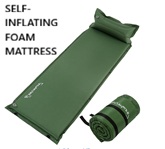 Self-inflating foam mat,
Folding Foam Pads,
Therm-a-Rest,
or
Klymit Static V
Self-inflating foam mat,
Folding Foam Pads,
Therm-a-Rest,
or
Klymit Static V
 Towels - Fast
Drying Lightweight Microfiber Travel Towels
Towels - Fast
Drying Lightweight Microfiber Travel Towels
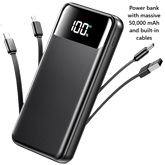 Portable Power Bank 50,000 mah, Ultra-High Capacity Battery Pack,2 USB Output High Speed Charging Power bank
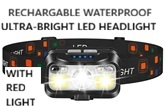 Headlamp - 1200 Lumen Super Bright, Rechargeable, Motion Sensor, 2-Pack, Waterproof w White Red Light in 8 Modes
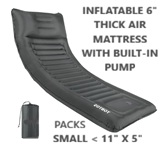 Camping mattress -
Super-comfortable, mattress, with Pillow, Thick 6 Inch Ultralight Sleeping Pad with Built-in Pump
Camping mattress -
Super-comfortable, mattress, with Pillow, Thick 6 Inch Ultralight Sleeping Pad with Built-in Pump