Top 50 most commonly seen fish and other marine life while snorkeling or diving in the Florida Keys
If you will be going snorkeling or diving in the Florida Keys, you might be wondering what kind of fish and other marine life are you likely to encounter? What do they look like? What are their names? Well, their common names or species names, not their individual names. Although I do tend to call groupers "Fred". Aside from that, you may look down this page and see a master list of the 50 most commonly observed fish and other wildlife in the Sanctuary Protected Areas (SPA) of the Florida Keys. The Florida Keys are home to Earth's second largest coral reef, after Australia's Great Barrier Reef. There are so many amazing snorkeling and diving locations in the Keys and so much to see. You can also click here to see the Top snorkeling and diving locations in the Florida keys.
Top 50 most commonly seen fish and other marine life while snorkeling or diving in the Florida Keys
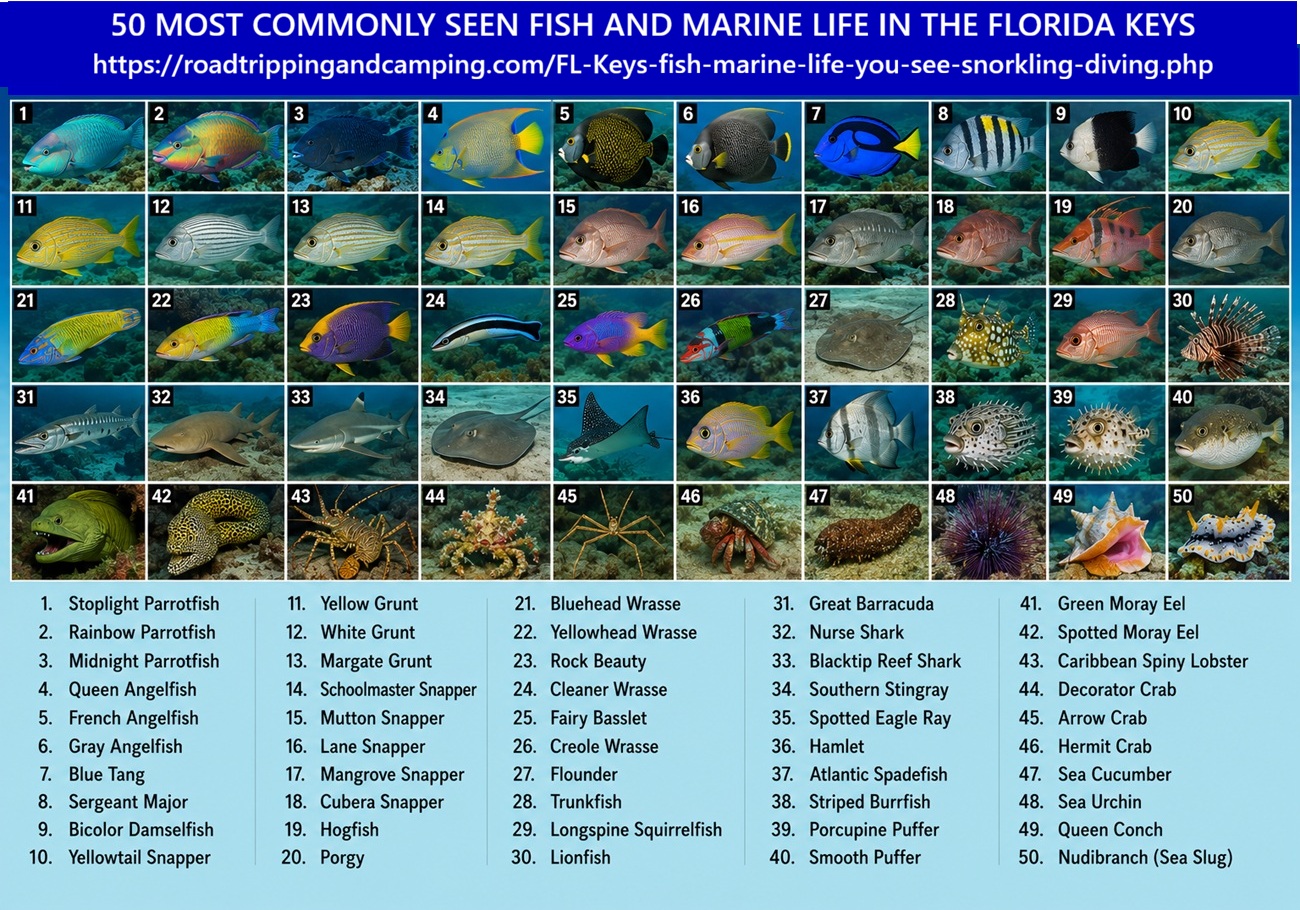
Below is a master identifier photo followed by notes and/or descriptions of each after it! That part will take time to fill out!
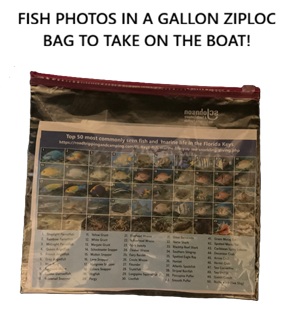
If you have access to a color printer, you can print out this PDF version of the table (it will open in a new window ready to print) below put it in a gallon size ziplock bag which makes it waterproof and take it along with you to identify the fish . Of course, double check that your zip lock bag is sealed properly, if you want to go underwater with it or take a few backup copies
Also see:
- Coral seen in the Florida Keys
- Commonly Seen (Non-Fish) Reef animals, rays, sea cucumbers, turtles, urchins, crabs, anenomes, Sea Floor and Bottom-Dwellers
- Sponges, Small Reef Invertebrates and Soft Corals
Snorkeling Fish Varieties in the Florida Keys
Dozens of fish varieties (species) are commonly seen on a typical snorkel trip at these Florida Keys spots, with 20-50+ possible under good conditions of calm, clear waters. There are 500-600+ species living in the reefs overall.
The Florida Keys National Marine Sanctuary has healthy patch reefs and barrier reefs teeming with tropical fish. While total biodiversity is high, snorkelers usually encounter a colorful subset: schools of reef fish, grazers, and occasional larger species: depending on the site, depth, visibility, and conditions.
Common Fish Across Sites
Frequently sighted species include Blue Tang, Stoplight Parrotfish, Yellowtail Snapper, Bluehead Wrasse, Sergeant Major, damselfish (Bicolor), grunts (French, Bluestriped), Ocean Surgeonfish, and butterflyfish. Parrotfish (multiple species with varied color phases), angelfish (Queen, French, Gray), snappers, and wrasses dominate most snorkels. Larger encounters like nurse sharks, rays, turtles, barracuda, or grouper add excitement.
Location-Specific Fish and other Life Seen
- Looe Key Reef (Lower Keys):
Larger barrier reef with varied depths. Goliath/Colossal Grouper, Tarpon, sharks (Nurse, Blacktip), Spotted Eagle Rays, huge parrotfish schools, plus angelfish, tangs, snappers, grunts. One snorkler reported seeing about 30-40 species. - Alligator Reef (Middle Keys, with iconic lighthouse):
Diverse marine life including parrotfish, angelfish, snappers, grunts, Blue Tang, wrasses, barracuda, groupers, and occasional rays or turtles. Popular for the lighthouse and the abundance of fish. - Cheeca Rocks (The Donut Hole) (shallow patch reef, 6-20 ft, near Islamorada):
Smaller, juvenile fish, plus turtles, and healthy corals.
Common: parrotfish (Midnight, Rainbow), angelfish, Blue Tang, grunts, damselfish, butterflyfish, wrasses, hogfish, occasional barracuda, nurse sharks and rays. - Patch Reef (Donut Hole) (various shallow inshore sites, 5-30 ft):
Nursery habitats with juvenile fish, brain and star corals.
Common: hogfish, grouper, parrotfish, grunts, barracuda, sergeant majors, Blue Tang, damselfish, angelfish, snappers. Good for families and beginners. - Molasses Reef (popular barrier reef, Key Largo, ~10-40 ft):
Plentiful fish life with parrotfish, wrasses, snappers, groupers, nurse sharks, spotted eagle rays, turtles. Excellent visibility on good days; spur-and-groove formations. - Hen and Chickens (patch reef, Islamorada, ~10-22 ft):
Labyrinth of large brain and star coral heads. Schools of Yellowtail Snapper and grunts, angelfish (Blue, French, Gray), butterflyfish, Blue Tang, barracuda, chubs, Porkfish, damselfish, parrotfish, wrasses (Bluehead, Spanish Hogfish), Trumpetfish, Spotted Trunkfish, eagle rays. - John Pennekamp State Park Reef (e.g., various reefs including Grecian Rocks, Dry Rocks aka, Christ of the Abyss):
Parrotfish (in about 15 varieties, with many color phases), wrasses, damselfish (Sergeant Major, a common and feisty fishy), snappers, grunts, barracuda. Also turtles, nurse sharks, rays, lobsters. This is a nice, shallow, protected area well suited for beginners. - Coffins Patch - San Pedro Wreck Reef (shallow wreck + reef, ~18 ft, Upper Keys):
Grunts (white/blue striped), Gray and Lane Snapper, gobies, lobsters hide in cannons, and eels lurk between the ballast stones. This reef attracts many fish due to structure. - Pickles Reef (Key Largo, 10-25 ft):
Healthy corals with snapper, grouper, angelfish, parrotfish, butterflyfish schools. Fewer crowds; and really good for photography. - Sombrero Key Reef (Middle Keys, 5-30 ft, spur-and-groove with lighthouse):
Parrotfish (Stoplight, Rainbow, etc.), angelfish, Blue Tang, hogfish, wrasses, Yellowtail Snapper, barracuda, damselfish, sergeant majors. Larger: eagle rays, turtles, nurse sharks, moray eels. - Conch Reef (Key Largo area):
Similar to other the reefs: yellowtail and mutton snapper, grunts, tropicals, with potential for bigger fish on edges.
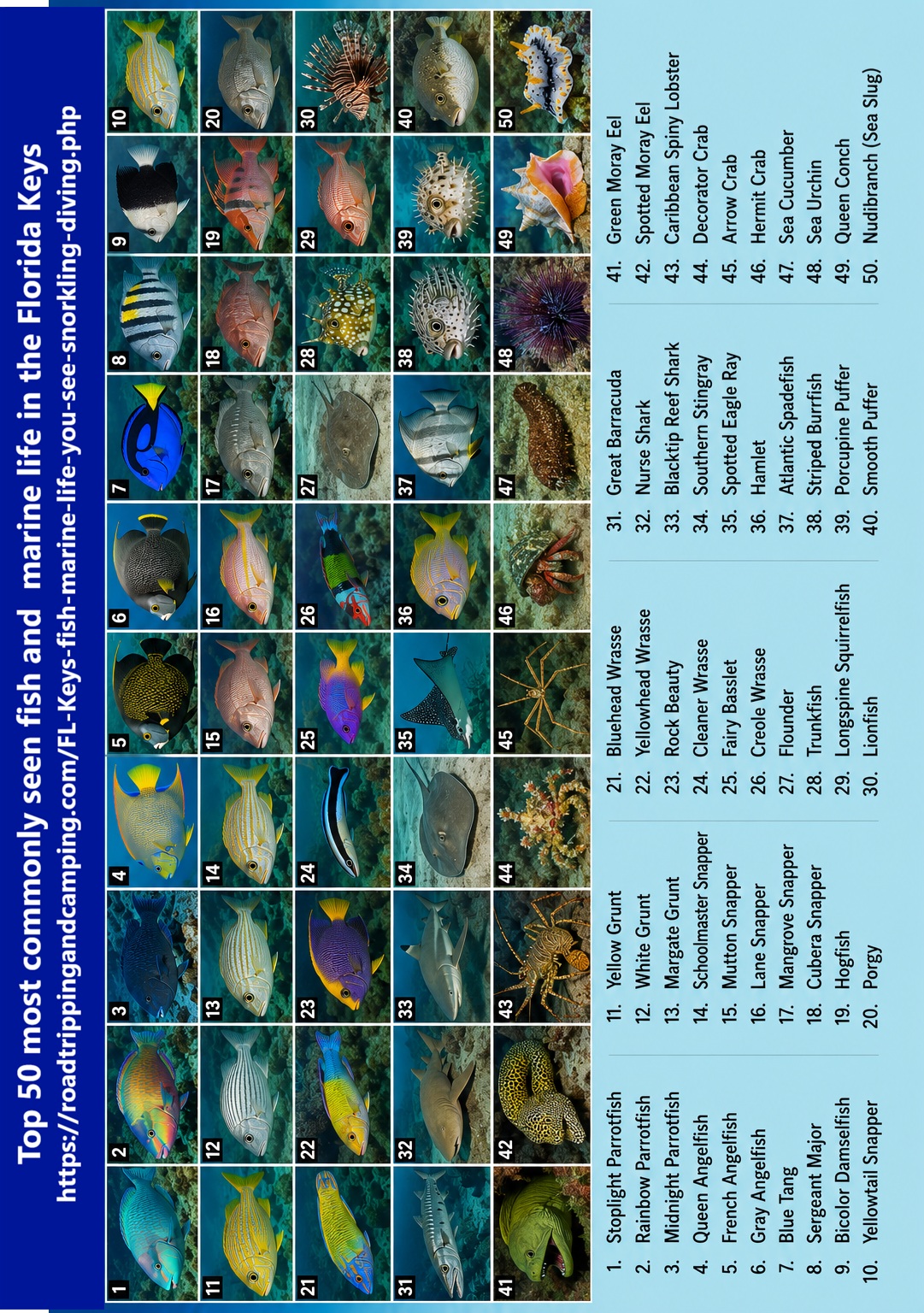
Print the fish identifer table and put it in a gallon size zip lock bag to take on the boat
All you need is a color printer. When you click here it will open the image above already rotated 90 degrees and ready to print out in a portrait mode on a color printer. Once you print it you can simply take a pair of scissors cut off the white borders and slide it into a gallon size zip lock bag to make it waterproof. You could also use heavier card stock paper to make it stiffer.
What Influences Sightings
Conditions (such as water clarity, weather, currents, season), group size, and guide knowledge matter. Shallow calm days improve sightings; deeper or outer reefs offer bigger fish. All sites are protected: you may observe without touching or feeding. Guided tours (with ID tips) enhance the experience for some. These reefs deliver an experience like you are inside a giant aquarium, with constant color and motion.
Also see the
Top 11 best snorkeling and diving locations
in the Florida keys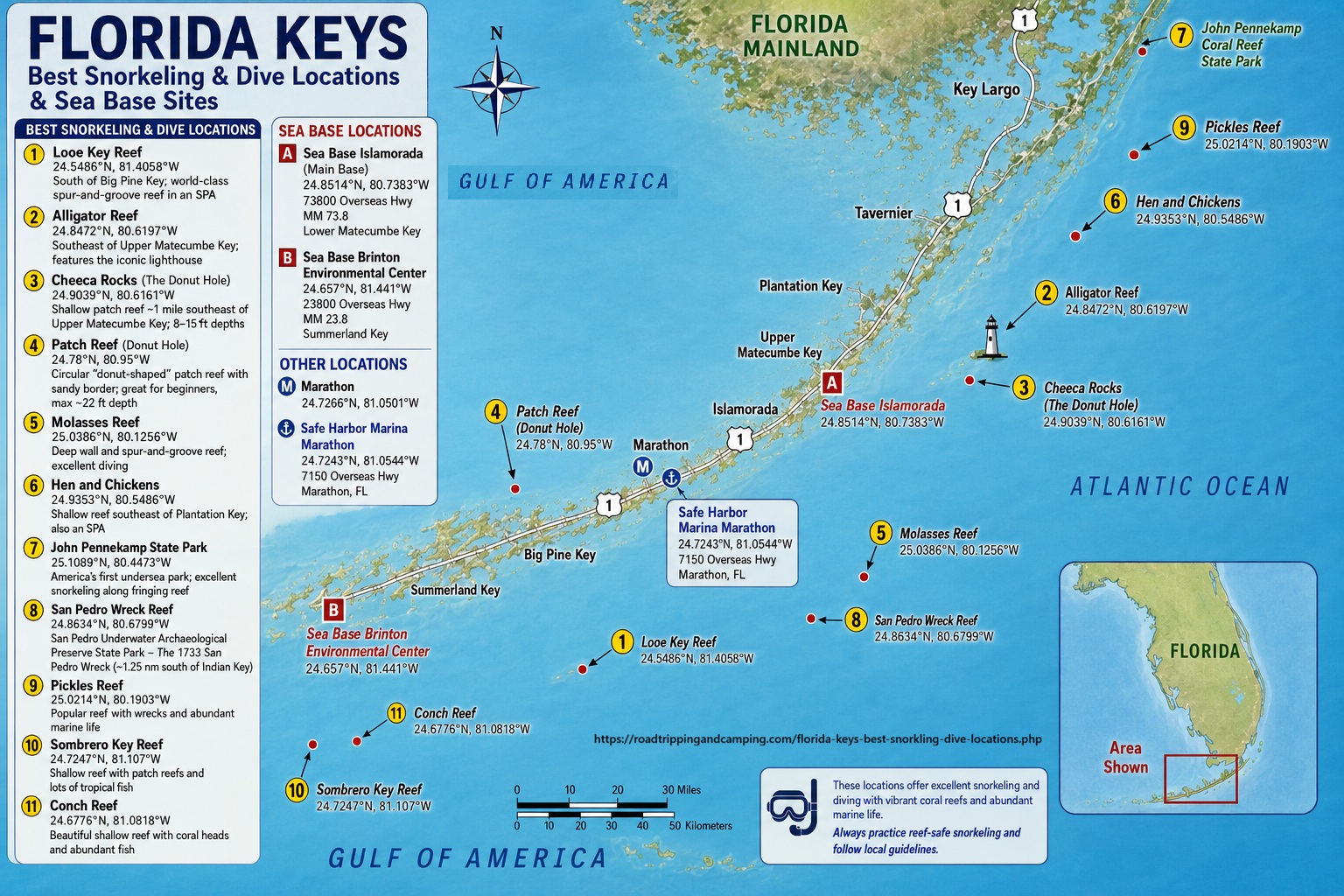
Sea Base Gear Guides
- Packing checklist
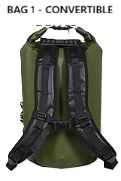
- Duffle bags, waterproof ($20 - $65)
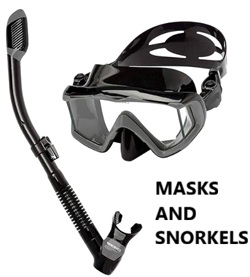
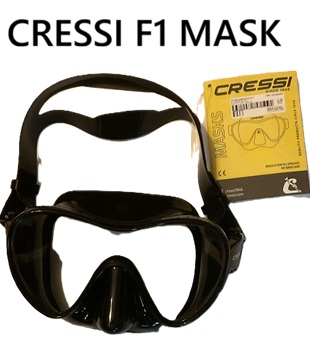
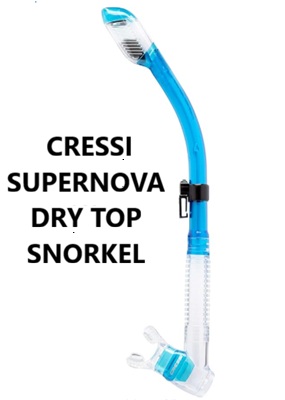
- Snorkel and Mask - ($25 - $200)
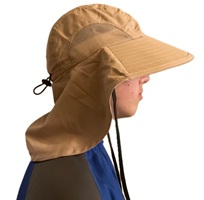
- Clothing: sun hat,
sun shirts,
dive gloves, dive socks,
sandals, Hawaiian Luau
shirt, etc
- Water bottles
- Sunglasses, straps
- Neck gaiter / buff
- Rain poncho
- Misc: clothespins, Paracord, clamps with Paracord
- Towels
- Kits (first aid, personal hygiene)
- Sunscreen and bug lotions
- Sleeping gear - mats - pads, liner insert, pillows
- Electronics - headlamp, battery/power pack
- Cameras: waterproof, from $40 - $400
Sea Base Brinton and Islamorada Trips: Tips, FAQs and Trip Information
- A typical Itinerary for Islamorada Coral Reef Sailing
 A Typical Itinerary for an Islamorada
Keys Adventure Sailing (KS)
A Typical Itinerary for an Islamorada
Keys Adventure Sailing (KS)- A Typical Itinerary for an Keys Adventure Islamorada (KI)
- A typical itinerary for a Brinton (BEC Summerland Key) Fishing Adventure
- Ground Transportation
- Islamorada dorms - if you stay there your first or last night (unlikely, ask your trip organizer / leader)
- Glamping Tents - if you stay there your first or last night (unlikely, ask your trip organizer / leader)
- Souvenirs
- Sleeping on sailboats
- Laundry at Islamorada (if you have time there on the morning you return to Sea Base)
- Required forms, and tips to organizing them
- Fishing licenses (none needed)
- Florida Keys Fishing Tips (types of fish, photos, lures, baits, methods)
- Ship bathrooms (the Head), pizza and more oddball stuff.
- Paperwork
- Florida Keys Fishing Tips (types of fish, photos, lures, baits, methods) This page has photos of each type of fish and more information.
- Sea Base Adventure cost estimator, calculator AND packing checklist
- The full official 2026 Sea Base Keys Islamorada Sailing Adventure guidebook (PDF)
More Information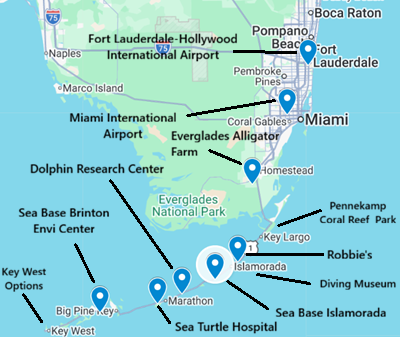
- What can you do after finishing at Sea Base plenty of fun stuff nearby or on the way to the airport.
- FAQs : Sea Base frequently asked questions - the constantly growing FAQs page is here.
- Keys Islamorada Sailing Adventure packing list -
and here is the complete
Keys Islamorada Sailing Adventure
guidebook
This covers: Coral Reef Sailing, Eco Sailing, Sea Exploring, Keys Adventure Sailing, and Keys Adventure Islamorada - The Unofficial Sea Base page with loads more information about Sea Base.
- Underwater Cameras, underwater and action cameras, GoPro's etc all options from $40 - $700
- Florida Keys Fishing Tips
- Merit badge requirements you can complete while on a Sea Base Adventure!
- Sea Base Awards Scouts Can Get At Sea Base
- Sea Base Forms, and tips to organizing them for a speedy check-in!

Sea Base Islamorada guides
- Sea Base - What to know; checking in, site map, photos, etc
- All sailing Adventures
- Coral Reef Sailing
- Keys Adventure Islamorada(KI)
- Eco Sailing,
- Sea Exploring,
- SCUBA
- Dorms at Islamorada
- Sea Base Ship Store (in the Keys) prices, photos
- Islamorada Sea Base tips and info
Sea Base Brinton BEC guides
- BEC Keys Adventure
- BEC Out Island Adventure
- BEC Florida Fishing Adventure
- BEC site map, dorms, check-in, more
St Thomas / Bahamas guides
Gear
- Packing checklist and calculator
- Selecting snorkels and masks
- Guide to underwater cameras
- Duffle bag choices
- Sleeping liners, mats, etc
- Reef-safe sunscreens: Blue Lizard or Banana Boat
- Self-inflating foam mats
- Sea Base forms and documents
Sea Base Info
- Sailboats: detailed inside photos and info
- Sea Base trip tips
- Sea Base FAQs
- Awards Scouts Can Get At Sea Base
- Guide to custom crew shirts
- Merit badges at Sea Base
- Sailing and Boating Terms
- Best snorkeling locations
- Fish and marine life you will see (photos)
- Fishing: edible fish identifer
- Things to do before/after Sea Base
Related Interests
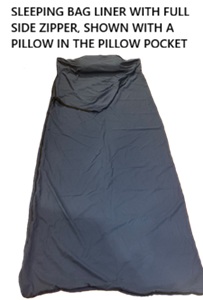 Sleeping bag insert / liner
(with zipper and pillow pocket)
to use instead of a sleeping bag in hot climates
Sleeping bag insert / liner
(with zipper and pillow pocket)
to use instead of a sleeping bag in hot climates
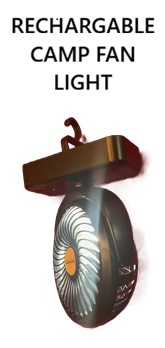 Portable Camping LED Light and Fan, 40hrs Rechargeable,
stands or hangs in tent/ ground.
Portable Camping LED Light and Fan, 40hrs Rechargeable,
stands or hangs in tent/ ground.
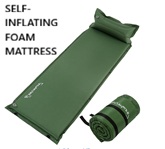 Self-inflating foam mat,
Folding Foam Pads,
Therm-a-Rest,
or
Klymit Static V
Self-inflating foam mat,
Folding Foam Pads,
Therm-a-Rest,
or
Klymit Static V
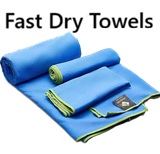 Towels - Fast
Drying Lightweight Microfiber Travel Towels
Towels - Fast
Drying Lightweight Microfiber Travel Towels
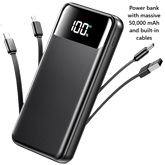 Portable Power Bank 50,000 mah, Ultra-High Capacity Battery Pack,2 USB Output High Speed Charging Power bank