Florida Keys Best Coral Reef Snorkeling and Diving Locations!
The Florida Keys are home to Earth's second largest coral reef, after Australia's Great Barrier Reef. There are so many amazing snorkeling and diving locations in the Keys and so much to see. You'll see reef sharks, nurse sharks, bright colored corals, rays, countless barracudas, rainbow parrot fish, midnight parrot fish, grouper, and sea turtles. But where to go, specifically? Here are the locations, as rated by professional dive and snorkeling organizations and past Sea Base participants' recent experiences!
Pro Tip for Beginners to Snorkeling with Fins
I cannot, for the life of me, figure out why they don't tell you this, but once you jump into the water, if
you simply move your feet as if you were peddling a bicycle, you will get plenty of easy propulsion from those
fins. That's the basic stroke. If you want to go faster extend the length of your bicycling motions farther
out . If you want to conserve your energy, pretend that you're on a child's bicycle and you can only move your
knees a small amount. 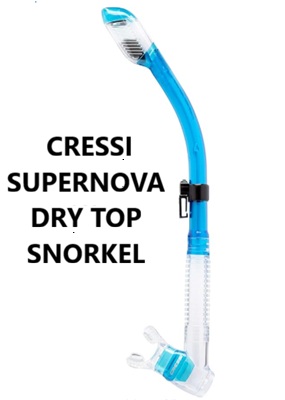 Once
you learn this trick, along with occasionally using your hands like a breast stroke motion, you will find you
can go pretty fast and far very easily and not be exhausted.
Once
you learn this trick, along with occasionally using your hands like a breast stroke motion, you will find you
can go pretty fast and far very easily and not be exhausted.
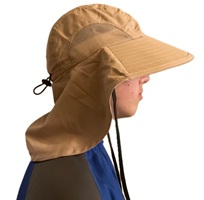
Mask tip: Wear the hoodie that's on your sunshirt. This will prevent the mask straps from getting your hair tangled in them . It will also prevent you from getting a sunburn on your head if your hair is thinning or bald. Likewise it protects the back of your neck since you will largely be in a prone position facing downwards and your neck would be exposed to the sun.
Snorkel tip: All snorkels have a simple blowout . Meaning, if water starts collecting in the snorkel (and it will from time to time), simply blow outwards into the snorkel with your mouth, with your head slightly above water and the snorkel therefore pointing upwards. It will blow the water out and you can resume comfortably breathing naturally through your mouth. Almost anyone can use the dry top snorkels like this Cressi Supernova dry snorkel, because it has a valve that prevents most of the water from ever coming back in to the snorkel when you are underwater .
Be sure to also see this page, Marine life (fish, crustations and more) that you can see while snorkeling or diving in the Florida keys!
Top 12 best Florida Keys snorkeling and diving locations
Let's start with the map and the provide descriptions after it! All of these reefs are in protected Sanctuary Protected Areas (SPA) :
And be sure to see theses page for photos, descriptions and a printable 1-page photo guide you can take on your boat, of
- Top 50 most commonly seen fish while snorkeling or diving in the Florida Keys
- Coral seen in the Florida Keys
- Commonly Seen (Non-Fish) Reef animals, rays, sea cucumbers, turtles, urchins, crabs, anenomes, Sea Floor and Bottom-Dwellers
- Sponges, Small Reef Invertebrates and Soft Corals
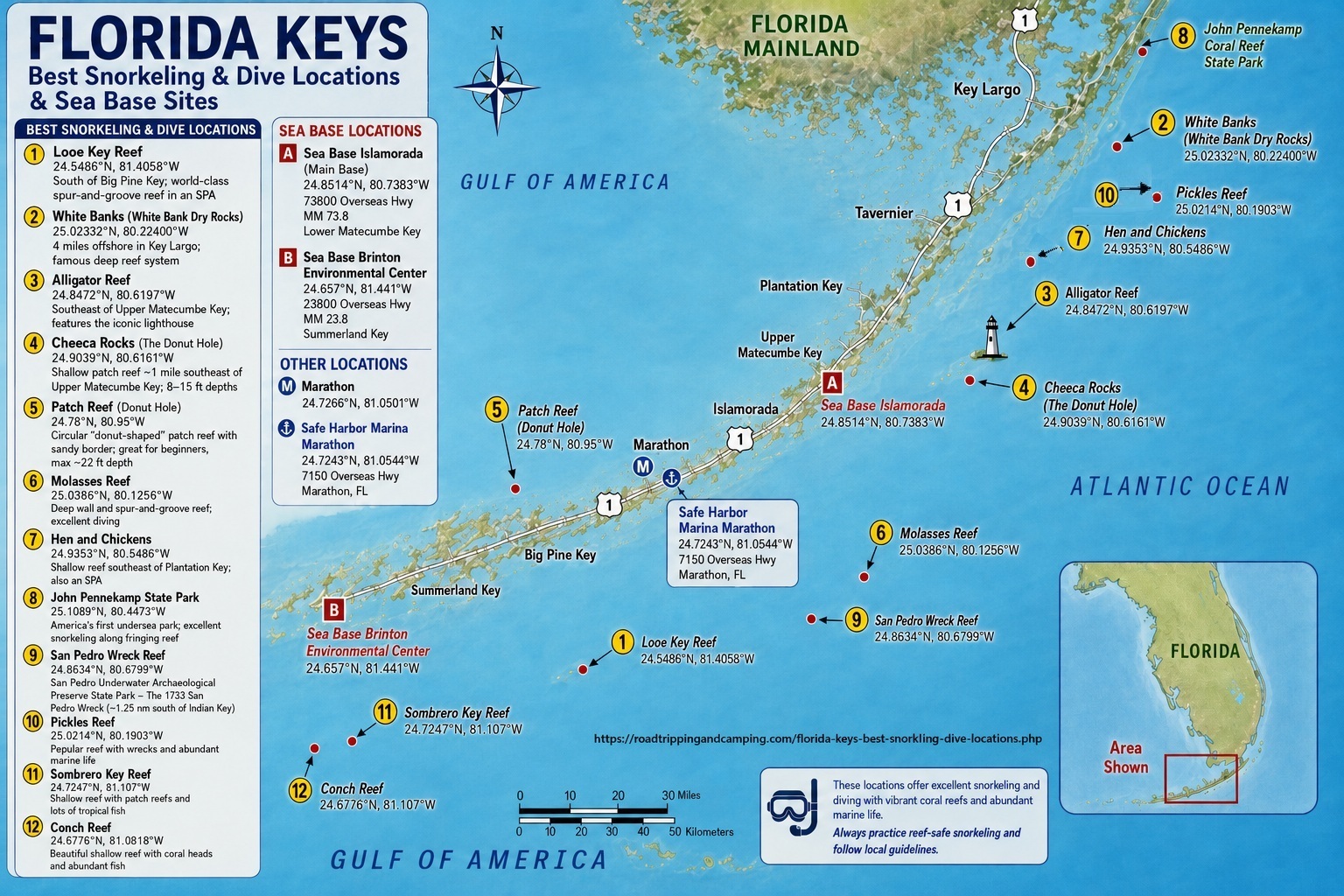
Here are some of the top locations that Sea Base crews often visit. And there's even an Interactive Keys Snorkeling Map on NOAA.
In all cases, when your are snorkeling near light towers, rocks, etc, be aware of the waves and swells, which
can be unpredictable and easily throw you against the rocks or structures.
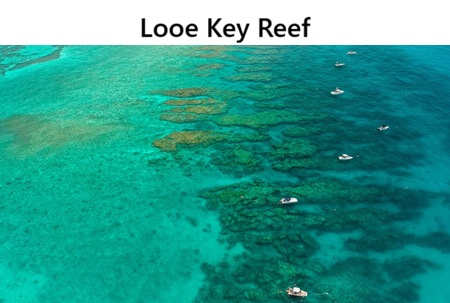
- Looe Key Reef - an AMAZING reef for snorkeling which immense diversity of life. Looe Key Reef is a spectacular, protected coral reef located 7 miles offshore of Big Pine Key and Ramrod Key in the lower Florida Keys. It is one of the most vibrant sections of the Florida Reef Tract. It has abundant marine life, including sharks, groupers, and diverse hard and soft corals. The depth varies from 7 to 15-foot waters ideal for snorkeling, to deep 30 to 90-foot spur-and-groove formations perfect for scuba diving. The reef gets its name from the British warship HMS Loo, which sank on the reef in 1744.
- White Banks - Truly an amazing reef, it is located about 4 miles offshore in Key Largo, Florida. GPS lat/long: 25° 02.332 ' 80° 22.400 ', White Banks is also known as White Bank Dry Rocks. It is a shallow coral reef snorkeling spot with generally clear waters and depths ranging from 2 to 30 feet. We saw so many varieties of fish, stinggrays, nurse shark, and beautiful ghard and soft corals there! The waters when we were there, were calm (evcen though it was rough at other reefs that day) and shallow but deep enough that you generally did not have to watch your feet to avoid the corals except at the very peaks of the
-
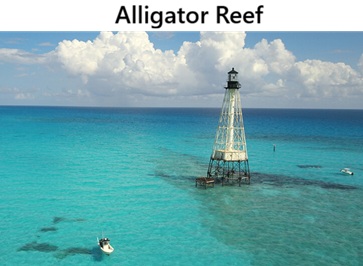 Alligator Reef was named
after the sunken
USS Alligator
and is located 4 miles off Islamorada. It generally ranges in depth from 10 to 35 feet, with many spots
around 20 to 25 feet, although some areas are as shallow as 8 feet. The reef features vibrant
coral formations surrounding the 136-foot Alligator Reef Lighthouse. The shallow 10-to-20-foot living coral
barrier reef boasts over 500 marine species! It is located within the
Florida Keys National Marine Sanctuary.
At times, the waves and currents can be rough there, so your captain may
skip it and go to anouther reef.
Alligator Reef was named
after the sunken
USS Alligator
and is located 4 miles off Islamorada. It generally ranges in depth from 10 to 35 feet, with many spots
around 20 to 25 feet, although some areas are as shallow as 8 feet. The reef features vibrant
coral formations surrounding the 136-foot Alligator Reef Lighthouse. The shallow 10-to-20-foot living coral
barrier reef boasts over 500 marine species! It is located within the
Florida Keys National Marine Sanctuary.
At times, the waves and currents can be rough there, so your captain may
skip it and go to anouther reef.
In November 1822, the USS Alligator, a U.S. Navy schooner on patrol to suppress piracy and protect merchant convoys in the Caribbean, ran aground on a shallow reef four miles off what is now Islamorada. Unable to free the ship, the crew burned and sank her deliberately. The Alligator Reef Lighthouse, a 136-foot iron skeleton structure, was completed in 1873. -
Cheeca Rocks -
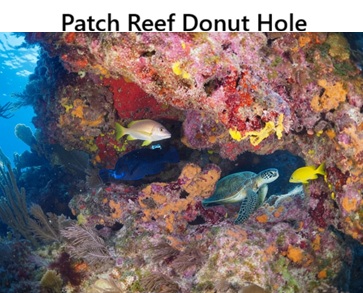
Just to be confusing, aka, The Donut Hole at Cheeca Rocks (because there is another donut hole at Patch Reef) is
located
one mile directly off Upper Matecumbe (Islamorada area). It is a smaller "Donut" than the one at Patch
Reef and is part of French Reef (near Key Largo and Islamorada). It is 5” to 25” deep and 100 yards in diameter.
-
The Donut Hole at Patch
Reef - Sometimes also called "Coffins". It is off North Grassy Key (between Marathon and Duck Key).
It is a shallow, sunlit reef ranging from 15 to 30 feet in depth.
The reef's donut shape (with a sandy "hole" in the center) makes it exceptionally easy to navigate around.
There are beautiful coral formations at this reef.
Dive sites provide more information about this spot.
- Molasses Reef
-
This 247-acre coral reef is famous for its crystal-clear water and diverse marine life. Located 6 miles southeast of Key Largo within the Florida Keys National Marine Sanctuary, it is the most visited reef dive in the world. It is popular for its clear water, fish populations, and numerous boulder corals. It takes around 30 minutes to get there by boat from Key Largo. The reef has a light tower on the middle of the reef, originally erected in 1921 and surrounded by 9 feet deep water. The reef has many places to moor and to dive and snorkel. Molasses reef features a "spur and groove" formation with depths ranging from 15 to 90 feet, making it a top destination for both snorkelers and scuba divers. The reef is only accessible by boat, but numerous local operators in Key Largo run daily, half-day trips (typically 3.5 to 4 hours). Typical costs for snorkel trips start around $75, while 2-tank dive trips are generally around $100. -
 Hens
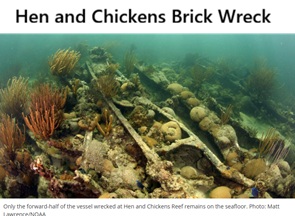
and Chickens Reef - is a shallow 106-acre patch reef located within the Florida Keys National Marine
Sanctuary just off Plantation Key in Islamorada. Accessible only by boat, it is famous for its distinct
cluster of coral heads resembling a mother hen and her chicks. Depths range from 5 to 35 feet. The site is
highly popular for snorkeling and diving due to its calm waters and unique topography. It features a maze of
coral mounds, purple sea fans, and abundant marine life including ESA-listed star and brain corals. You can
also explore the "Brick
Wreck," an unnamed barge that broke free in July 1949 and sits just next to the main light tower.
Hens
and Chickens Reef - is a shallow 106-acre patch reef located within the Florida Keys National Marine
Sanctuary just off Plantation Key in Islamorada. Accessible only by boat, it is famous for its distinct
cluster of coral heads resembling a mother hen and her chicks. Depths range from 5 to 35 feet. The site is
highly popular for snorkeling and diving due to its calm waters and unique topography. It features a maze of
coral mounds, purple sea fans, and abundant marine life including ESA-listed star and brain corals. You can
also explore the "Brick
Wreck," an unnamed barge that broke free in July 1949 and sits just next to the main light tower.
- John Pennekamp State Park -
102601 Overseas Highway (MM 102.5), Key Largo, FL 33037.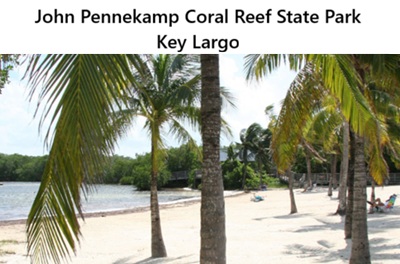
Phone: (305) 451-6300. The park, known for incredible snorkeling, is a destination in itself. Many scout crews spend time here before or after Sea Base. There is a replica shipwreck and 17th-century Spanish artifacts lie just 100 feet offshore, at Cannon Beach inside the park.
This is also where you can see the Jesus of the Abyss, also called Christ of the Deep statue underwater.
See this link: John Pennekamp for much more information. There is a pizza place nearby that opens at 11am daily and delivers to John Pennekamp for the Sea Base boat crews. It's called
- Tower Of Pizza - 100600 Overseas Hwy,
Key Largo, FL 33037
Phone: (305) 451-146.
Scouts love the pizza and adults love the other food they have, also.
- Tower Of Pizza - 100600 Overseas Hwy,
Key Largo, FL 33037
- Coffins Patch - San Pedro Underwater Archaeological Preserve
Florida State Park - The 1733 San Pedro Wreck
The wreck of the 1733 Spanish Galleon (one of the oldest shipwrecks in Florida) is located in this underwater park, just about one mile off the southern tip of Indian Key Historic State Park. You will see soft and hard corals growing on the actual 1733 ballast stones and cannons. This 300 year old artificial reef structure is easily accessible by boat and marked by several buoys making it one of the most visited sites along the 1733 Spanish Galleon Trail. There is a spar buoy that marks the location of the wreck. When the bottom changes from dense seagrass to white sand. you will see round smooth ballast stones, and then the cannons come into view. Yes, that is a lobster inside the cannon barrel!
There area always numerous fish swimming about: white and blue striped grunts, gray and lane snappers, pale, small gobies,spiny lobster, eels and other fish.
-
 Pickles
Reef -
Pickles
Reef -
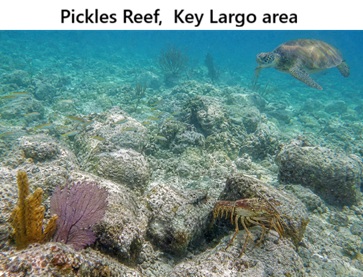
Located about 6 miles southeast of Key Largo. It has depths from 5 to 30 feet. The shallow, clear waters and gentle currents make it ideal for intermediate to beginner snorkelers. The reef gets its name from the "Pickle Barrel Wreck," a Civil War-era supply ship. The concrete-filled barrels, intended to be delivered at Fort Jefferson, hardened after the wooden ship sank. Over time, they have become in brightly colored pillar corals and sea fans. There are also juvenile fish, loggerhead turtles, Florida spiny lobsters, and several species of moray eels to see there!
- S
 ombrero
Key Reef -
ombrero
Key Reef -
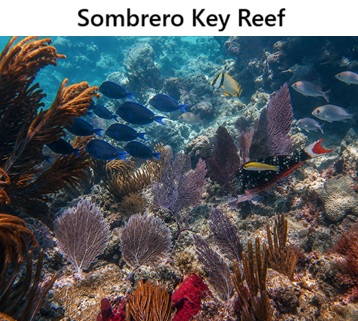
As you can see in the photo, this reef has spur-and-groove formations and diverse fish and other marine life. extending over 208 acres in size. Sombrero Reef is located four miles off of Boot Key and has depths under 30 feet, making it one of the most popular sites for snorkeling and diving in the Middle Keys. Sombrero Key Reef is named for the historic Sombrero Key Lighthouse in the northern corner of the protected reef area. Civil War Union General George G. Meade had been building lighthouses in the Florida Keys, completing Sombrero Light in 1858, just 5 years before he defeated Robert E. Lee at Gettysburg.
I'm told there was a sunken barge near the lighthouse to investigate. -
Conch Reef -
Conch Reef is located about 5.8 miles south of Tavernier (near Key Largo) in the Florida Keys. This is a shallow patch reef that offer excellent visibility and a diverse marine environment with abundant Queen Conch (hence the name), barracudas, and stingrays. The SPA itself is a 0.19 square-mile rectangle (119 acres) extending to a depth of 45 feet. Conch Reef is adjacent to the Conch Reef Conservation Area (the latter is not accessible to the public without a special permit).
Honorable Mention
-
 Fort
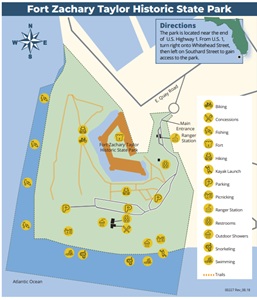
Zachary Taylor Historic State Park (click to download a PDF guide) -
Fort
Zachary Taylor Historic State Park (click to download a PDF guide) -
601 Howard England Way, Key West, FL 33040.
Phone: (305) 292-6713. Open: 8 am until sunset, 365 days a year. An entrance fee is required.
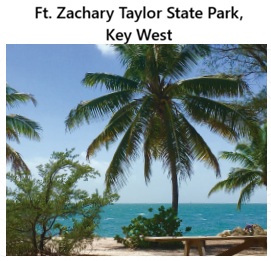
For those who don'thave access to a boat Fort Zachary Taylor Historic State Park has a beach of sand and pebbles, and the water is good for
both beachcombers and snorkelers. Water shoes are recommended because of the rocky sea bottom.
There is a huge shady picnic area with tables and grills, where you can cook your own freshly caught fish. Or the hut on the beach offers rental equipment, including beach chairs and
snorkel gear. There is a small café with an umbrella-shaded deck. Two nature trails and snorkeling off the beach to at least three sites. While the fish aren't typically plentiful, there is a good variety and people report seeing turtles, rays, etc.
Dishonorable mention
- The Quarry - Not worth stopping. Almost no fish or coral to see. Some captains stop there as a first stop Simply because it's a very protected location it's shallow, The waters are calm and so it can be a place to practice as the first snorkeling location. However the flip side to that is the scouts then think this is what snorkeling is like , and when asked do you want to do more snorkeling they will say no because it was awful murky bland water with nothing to see. Don't stop there. Stop at a decent one with something to see like the 12 above .
Other Florida Keys Sanctuary Preservation Areas (SPA's)
- Davis Reef
- Eastern Dry Rocks
- The Elbow
- Key Largo Dry Rock-Grecian Rocks
- Molasses Reef
- Newfound Harbor Key
- Rock Key
Sea Base Gear Guides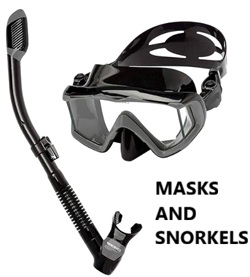
- Packing checklist
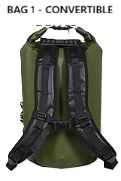
- Duffle bags, waterproof ($20 - $65)
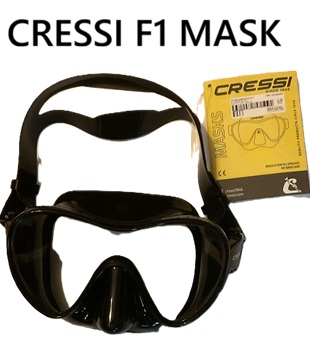
- Snorkel and Mask - ($25 - $200)
- Clothing: sun hat, sun shirts, dive gloves, dive socks, sandals, Hawaiian Luau shirt, etc
- Water bottles
- Sunglasses, straps
- Neck gaiter / buff
- Rain poncho
- Misc: clothespins, Paracord,
clamps with Paracord
- Towels
- Kits (first aid, personal hygiene)
- Sunscreen and bug lotions
- Sleeping gear - mats - pads, liner insert, pillows
- Electronics - headlamp, battery/power pack
- Cameras: waterproof, from $40 - $400
Sea Base Brinton and Islamorada Trips: Tips, FAQs and Trip Information
- A typical Itinerary for Islamorada Coral Reef Sailing
 A Typical Itinerary for an Islamorada
Keys Adventure Sailing (KS)
A Typical Itinerary for an Islamorada
Keys Adventure Sailing (KS)- A Typical Itinerary for an Keys Adventure Islamorada (KI)
- A typical itinerary for a Brinton (BEC Summerland Key) Fishing Adventure
- Ground Transportation
- Islamorada dorms - if you stay there your first or last night (unlikely, ask your trip organizer / leader)
- Glamping Tents - if you stay there your first or last night (unlikely, ask your trip organizer / leader)
- Souvenirs
- Sleeping on sailboats
- Laundry at Islamorada (if you have time there on the morning you return to Sea Base)
- Required forms, and tips to organizing them
- Fishing licenses (none needed)
- Florida Keys Fishing Tips (types of fish, photos, lures, baits, methods)
- Ship bathrooms (the Head), pizza and more oddball stuff.
- Paperwork
- Florida Keys Fishing Tips (types of fish, photos, lures, baits, methods) This page has photos of each type of fish and more information.
- Sea Base Adventure cost estimator, calculator AND packing checklist
- The full official 2026 Sea Base Keys Islamorada Sailing Adventure guidebook (PDF)
More Information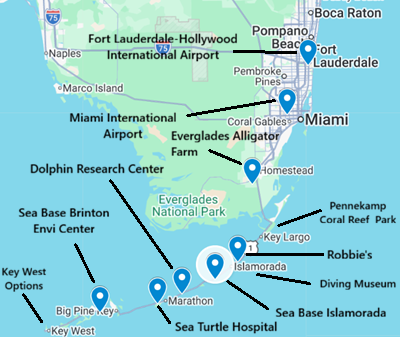
- What can you do after finishing at Sea Base plenty of fun stuff nearby or on the way to the airport.
- FAQs : Sea Base frequently asked questions - the constantly growing FAQs page is here.
- Keys Islamorada Sailing Adventure packing list -
and here is the complete
Keys Islamorada Sailing Adventure
guidebook
This covers: Coral Reef Sailing, Eco Sailing, Sea Exploring, Keys Adventure Sailing, and Keys Adventure Islamorada - The Unofficial Sea Base page with loads more information about Sea Base.
- Underwater Cameras, underwater and action cameras, GoPro's etc all options from $40 - $700
- Florida Keys Fishing Tips
- Merit badge requirements you can complete while on a Sea Base Adventure!
- Sea Base Awards Scouts Can Get At Sea Base
- Sea Base Forms, and tips to organizing them for a speedy check-in!

Sea Base Islamorada guides
- Sea Base - What to know; checking in, site map, photos, etc
- All sailing Adventures
- Coral Reef Sailing
- Keys Adventure Islamorada(KI)
- Eco Sailing,
- Sea Exploring,
- SCUBA
- Dorms at Islamorada
- Sea Base Ship Store (in the Keys) prices, photos
- Islamorada Sea Base tips and info
Sea Base Brinton BEC guides
- BEC Keys Adventure
- BEC Out Island Adventure
- BEC Florida Fishing Adventure
- BEC site map, dorms, check-in, more
St Thomas / Bahamas guides

Gear
- Packing checklist and calculator
- Selecting snorkels and masks
- Guide to underwater cameras
- Duffle bag choices
- Sleeping liners, mats, etc
- Reef-safe sunscreens: Blue Lizard or Banana Boat
- Self-inflating foam mats
- Sea Base forms and documents
Sea Base Info
- Sailboats: detailed inside photos and info
- Sea Base trip tips
- Sea Base FAQs
- Awards Scouts Can Get At Sea Base
- Guide to custom crew shirts
- Merit badges at Sea Base
- Sailing and Boating Terms
- Best snorkeling locations
- Fish and marine life you will see (photos)
- Fishing: edible fish identifer
- Things to do before/after Sea Base
Related Interests
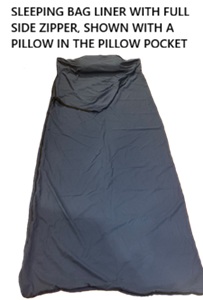 Sleeping bag insert / liner
(with zipper and pillow pocket)
to use instead of a sleeping bag in hot climates
Sleeping bag insert / liner
(with zipper and pillow pocket)
to use instead of a sleeping bag in hot climates
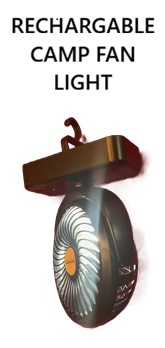 Portable Camping LED Light and Fan, 40hrs Rechargeable,
stands or hangs in tent/ ground.
Portable Camping LED Light and Fan, 40hrs Rechargeable,
stands or hangs in tent/ ground.
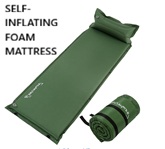 Self-inflating foam mat,
Folding Foam Pads,
Therm-a-Rest,
or
Klymit Static V
Self-inflating foam mat,
Folding Foam Pads,
Therm-a-Rest,
or
Klymit Static V
 Towels - Fast
Drying Lightweight Microfiber Travel Towels
Towels - Fast
Drying Lightweight Microfiber Travel Towels
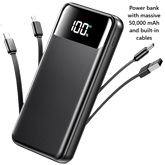 Portable Power Bank 50,000 mah, Ultra-High Capacity Battery Pack,2 USB Output High Speed Charging Power bank