BSA Sea Base Sailing Adventure Insider Tips and Knowledge
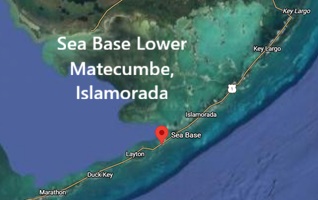 Thousands
of adults and scouts have gone on Sea Base Keys high adventure sailing, snorkeling and fishing trips, with overnighting at sea
and on islands! Here are their collective tips, tricks and insider knowledge from their trips. Just
what you need to know, before you go!
Thousands
of adults and scouts have gone on Sea Base Keys high adventure sailing, snorkeling and fishing trips, with overnighting at sea
and on islands! Here are their collective tips, tricks and insider knowledge from their trips. Just
what you need to know, before you go!
- Pre-Departing Home
- Packing checklist
- Arrival
- Islamorada dorms - if you will be staying there
(ask your trip organizer / leader)
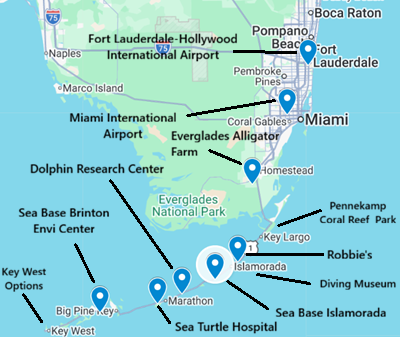
- Glamping Tents - if you will be staying there (ask your trip organizer / leader)
- Group supplies
- Gear Tips
- Human dynamics
- Meals and cooking
- Evenings on boats
- Sleeping
- Toilet, the "head"
- Miscellaneous tips
- Sun, Snorkeling, Swimming and Bugs
- Fishing
- Final Day at Sea & Departure
- Official 2026 Participants Guides Free PDfs to download)
Other pages you will want to see:
- Packing lists: what to get and where to get the best gear at the best price
- UNofficial Sea Base page with loads more information about Sea Base.
- Merit badge requirements you can complete while on a Sea Base Adventure!
- FAQs : Sea Base frequently asked questions - the constantly growing FAQs page is here.
Note - we are NOT affiliated with BSA or Sea Base, just scouts and scouters trying to help other scouts and scouters!
Tips, Tricks and Vital Information
Pre-Departing Home:
- Remember cash to pay transport van. (Arrange with Franklin ahead of time.)
- Packing: do a final check using the complete, detailed packing checklist.
- Pack clothes in Ziploc gallon bags with a dryer sheet. That will keep clothes dry and smelling good; which with no showers and the heat will keep odors down!
- Also bring cash to tip the captain. $20 per person is usual)
- Practice snorkel gear skills: put on a snorkel, get in the deep end of a pool with flippers and swim and tread water and practicing snorkeling.
- Learn before you go -
Practice sailing terms (port, starboard, aft, bow, stern, etc.) ahead of time. See this page of boating and sailing terms.
See the Sea Base Fish Identification Guide and learn the reef fish ahead of your trip
This guide Majestic Depths is fascinating
Learn about sailing: Guide to High Adventure Sailing
Arrival
- Required Paperwork: Please be sure to bring a physical copy of all required paperwork. Find forms here.
- Restrictions: Make sure that everyone has checked the box on the health form that says “no restrictions”, or they will ask you about it.
- Immunizations: You must have an actual date for the tetanus shot. The year is sufficient, but you can’t just write “up to date” or “current”.
- Check in on the boats is easy,if you make sure your paperwork is sorted by crew ,each boat and each individual had a folder with their name and all associated paperwork (all copies, no originals were brought) See forms organizing tips here.
- Leave on land: Sea Base provides your group with lockers (you must bring your own lock) and you can leave things in the lockers that your will not need on the boat: car keys, clean clothes for the trip home, electronics, anything not allowed on the boat, any other bags for travel, etc.
- Swim checks no big deal, minimal and nothing to worry about
- Captains: Keep in mind that the boat is both their home and their source of all income. Ya gotta follow
their rules...
- You work!: Youth and adult participants will cook, clean, hoist sails and more.
Group supplies
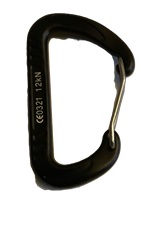
- Carabiners, to clip water bottles cases, etc to lines and bring extras to replace those that break or go overboard. The boat captains perfer plastic ons that can't scratch their boats but get the strong plastic carabiners.
-
Power strips: At BEC, there is one electrical outlet in each dorm, right by the door. Bring an
extension cord and a power strip and USB block. Plan on sharing it with the other crews in your dorm. Amazon
has
8 power outlet plus 4
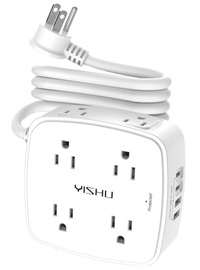 USB connector power strips. Wal-Mart has
similar power strips with 2 USB connectors for $20.
USB connector power strips. Wal-Mart has
similar power strips with 2 USB connectors for $20. - Sleep in a T-shirt or long sleeve and keep its dry and only worn at night. Ditto for a pair of shorts or light pants for sleeping to avoid bug bites. "Cool" or Heat Gear are wonderful inexpensive brands sold at Costco.
- First aid items: keep these readily accessible:
Dramamine or Bonine, pretty much just on your first day on the water. Most people adapt quickly. A half pill of Bonine or the less drowsy version of Dramamine BEFORE you get underway is perfect to prevent symptoms.
Ace wrap and gauze bandage are useful and the less drowsy version of Dramamine, Aftersun, or Aloe Vera. Note: MANY of these items are rarely used, so your crew may want to simply include them in the crew kit. - Solid vs. Liquid form: Pills/gelpacks/gummies work better on boats than liquids which will spill on a rolling boat!
- Don’t let scouts self-medicate
-
 Clothespins -
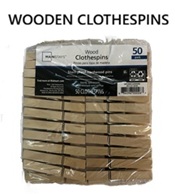
Bring wooden clothespins - much better for the sea environment if one of those falls off the boat
rather than the plastic clothespins for hanging suits and towels on railings and boat lines to dry.
Clothespins -
Bring wooden clothespins - much better for the sea environment if one of those falls off the boat
rather than the plastic clothespins for hanging suits and towels on railings and boat lines to dry.
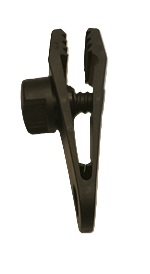
Choices are: heavy duty plastic clothespins, or Large Wooden Clothespins, or Metal clothes clamps or Strong Grip Clothes Pins or Strong wooden clothespins. A pack of 50 regular size pins is about $2 at Wal-Mart.
Apparently, Sea Base and the boat captains are all over the map of this: some say bring wooden ones as they are much better for the sea environment if one of those falls off the boat rather than the plastic clothespins. Others tell you the plastic or metal ones are better. I'll ask around when I'm at Sea Base in a few weeks.
You MAY also want Paracord 550, especially if you are using clamps.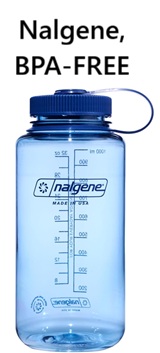
Gear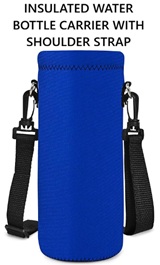
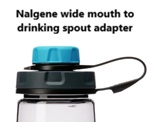
- Water bottles: Metal and aluminum water bottles are prohibited for Sailing Programs. Glass water
bottles are prohibited on all Sea Base adventures. You are expected to get a
Nalgene 32 oz BAP-Free Wide Mouth Water Bottle and an
insulated matching
insulated carrier / coozy.
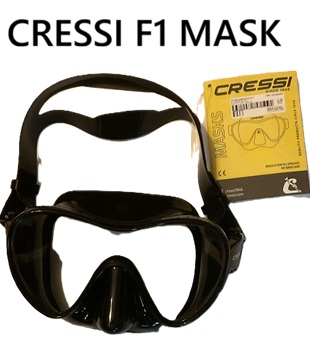
The last night is a luau. They will also have a branding station, so if you want to get your favorite cup/bottle branded with the sea base logo make sure to bring it. 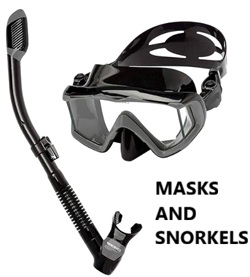 Snorkel and mask: The sea bass mask is adequate. But compared to comparable alternatives it's
expensive and not the best you can get for the same money . It's just a generic mask. See this page for
mask and snorkel alternatives . You can either get something
cheaper that is probably a little bit better or you can buy something that's substantially better for the
same or a little bit more money. But either way the sea base masks are one size fits all and if it doesn't
fit you very well it'll be uncomfortable or leak or fog. At least if you find a mask before you go to sea
base you can find one that fits or return it and get a different one .
Snorkel and mask: The sea bass mask is adequate. But compared to comparable alternatives it's
expensive and not the best you can get for the same money . It's just a generic mask. See this page for
mask and snorkel alternatives . You can either get something
cheaper that is probably a little bit better or you can buy something that's substantially better for the
same or a little bit more money. But either way the sea base masks are one size fits all and if it doesn't
fit you very well it'll be uncomfortable or leak or fog. At least if you find a mask before you go to sea
base you can find one that fits or return it and get a different one . -
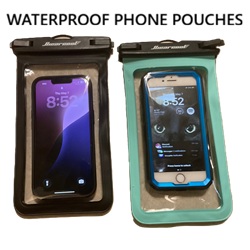 Electronics - You'll
want to keep the phone dry with a
waterproof
phone pouch, mini dry bag
for phone, keys, wallet, etc.
Electronics - You'll
want to keep the phone dry with a
waterproof
phone pouch, mini dry bag
for phone, keys, wallet, etc.
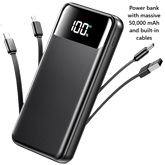
You will also want some battery power packs. - Underwater photography gear:
If one person in your crew has a good (
GoPro, DJI Insta360 ) underwater camera, you will probably only want an inexpensive underwater camera,
like a single use camera or generic underwater camera (both under $50) kind of camera. Which could be a phone.
See
this page for everything you will need to know about underwater cameras, cases, photography and the gear to
get. Some troops supply each crew with these
Fujifilm One-Time-Use cameras; this keeps the scouts off their phones or da
 maging their phones in the
water!
maging their phones in the
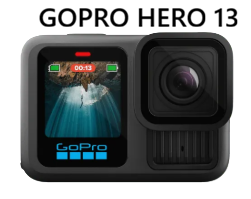
water! - If you do want an underwater action camera, don’t go cheap on knock offs, some failed quickly,
GoPro Hero12 or
13 worked great (was able
to charge batteries on boat). There are equal and better now brands now, too, like
Insta360 Ace Pro 2 and DJI
Osmo Action 5 Pro.
-
This is just a partial list. See these pages for the full packing list gear guide for your trip.
- Islamorada Florida
Keys Sailing-Snorkeling-Fishing Adventure Gear Guide and more information
- Keys Adventure Islamorada (see this page for the KI trips, which sleep in the dorms on Islamorada)
- Sea Base Brinton Environmental
Center-based adventures gear guide, and more info,
including Big Munson Island and Out Islands. - Florida SCUBA gear guide and information
- Bahamas Gear Guide and information
- St. Thomas Gear Guide and
information
- Islamorada Florida
Keys Sailing-Snorkeling-Fishing Adventure Gear Guide and more information
Human dynamics
- Buddy pairs are more effective when the scouts choose each other (with a few exceptions)
- Favorite things included the Luau as a group and final RBT.
- Crews: How well your crew works together really depends upon each of you. Get next level protection most scout troops have the best adults I've ever seen and we'll work together naturally but if you have a dysfunctional individual or two, you may consider a crew contract - being respectful, language, shared duties, etc.
- Rose bud thorn - done every evening with a quiet crew
- Awards: discuss with crew leaders ahead of time (duty to god, captains club, SCENE, snorkeling, paddle boarding, kayaking) so those chosen were based on agreed attributes.
Meals
- Galley Duty: Every crew member should also participate in cooking and cleaning. Sample Galley Duty Roster and menu. Create a meal plan and menu first thing when you are on the boat. Small spaces mean it's best to cook in pairs.
- Start Meal Prep EARLY: Meal preparation always seems to take longer than you would expect. Encourage your Scouts to start cooking earlier than they think they need to.
- Food is typically pork chops, burgers, hotdogs, pasta, chicken, Mac and cheese, potatoes, eggs, turkey bacon, milk, apples, oranges, pineapple, lettuce, tomato, onion, nature valley granola bars, Cheerios, fruit cups, pringles, bread, mayo, mustard, oatmeal packets, pop tarts, pancake mix, plenty of spices, cookies etc.
- Cooking: some boats have propane grills and a stove, other boats have a stove and oven. The small grill (if there is one) is typically in the cockpit, but most of the cooking takes place below in the small kitchen area. The boat is equipped with dishes, silverware, cooking utensils, cookware and a few basic spices.
- Meals: Sea Base provides meals, eating utensils, dishes, and cooking equipment. Crews do not need to bring additional items for meals or cooking.
- Snacks: Bring snacks! Scouts are always hungry and the gift shop snacks are expensive!
- Food storage - The refrigerator is small and packed tight. Vegetables placed too close to the cooling plate or in the very bottom can freeze and be ruined.
- Water management: There are two large water coolers mounted near the mast. Fill your water bottle before getting underway each day
- Other comments concerning food and drink:
On land: Bring electrolyte packets, as only water is provided in the cafeteria
At sea: Liquid water flavor enhancers/electrolytes were preferred, less messy than powders and encourage hydration.
Food: There was a lot of bored eating, so consider hiding the snacks...
Have a discussion during parent meeting about being respectful of food and aware that it’s for everyone - consider a crew contract.
Captain's rule: No eating downstairs in the cabin
Evenings
- Bring decks of playing cards for on boat fun, or for on-land, a football or Frisbee, for something to do in evening
- Showers - To bath yourself, bring wet wipes and wipe yourself down before you sleep for the night
Sleeping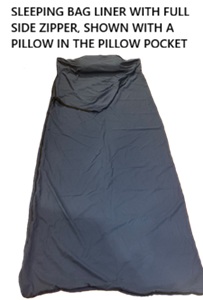
- Onboard Sleeping: Most sailing participants choose to sleep on deck. Below deck housing is HOT and cramped. Adults took cockpit and boys took everywhere else.
-
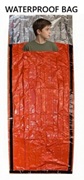 It often rains every night, so you might want a
6' by 8' waterproof tarp or a
waterproof Sleeping Bags 2 Pack
(you can either use it over you as a tarp or get inside it). Adult leaders speak of scouts "burritoing
inside a tarp" when it rains at night!
It often rains every night, so you might want a
6' by 8' waterproof tarp or a
waterproof Sleeping Bags 2 Pack
(you can either use it over you as a tarp or get inside it). Adult leaders speak of scouts "burritoing
inside a tarp" when it rains at night! - Sleeping is cramped... but that’s the fun of it,
- Sleeping gear, (see
this page) crews report:
any inflatable pad will work,
all used Sleeping bag insert / liners that were thin like bed sheets, plenty warm,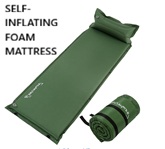
inflatable pillows work fine, just be sure to tie them down or put them inside the pocket in the liner. That said, some report that most didn’t strap any gear down, and didn't lose any gear overboard. I find that hard to believe, though. - Anchor Watch: Every member of your crew will take part in anchor watch. See this Sample Anchor Watch Schedule.
Toilet, the "head"
- Toilet, aka, "the head": NOTHING other than poop and pee may be deposited into the toilet. I've heard there are exceptions; On some boats, crews were told toilet paper was to be flushed and not put in the trash. Most boats toilets have a hand pump that pumped the ocean water into flush.
- Direct your vomit overboard. The fishies will appreciate it, and it will be less mess and smell onboard, and less trash to haul off.
- Paper products, including toilet paper, must be bagged and deposited in a trash receptacle. Many crews bring dog poop bags for this.
- Listen to the captains, no one wants to unclog a toilet with minimal water, Bring dog poop bags so each person could tie off their used toilet paper before putting it in trash, That really helps control the smell. Also best if each scout brings wet wipes, which helps reduce paper usage.
- Teach scouts what a courtesy flush is: flush half your poop before finishing the other half, This helps prevent clogged toilets.
- If there is more than one Head: Assign specific people to each head at the beginning of the trip. If everyone uses whichever one they want, you’ll fill one holding tank long before the other and create problems.
Miscellaneous tips
- Bring wooden clothespins - Strong wooden clothespins are much better for the sea environment if one of those falls off the boat rather than the plastic clothespins.
- Coffee mug - You need to bring your own (non-metal, non-glass, non-ceramic) mug, like a melamine mug, or buy one in the shop, if you want coffee.
- Bring some snacks - like nuts, the scout shop has snacks, not many healthy options (mainly candy and soda, gum and souvenir t-shirts, diving gear)
- Have a "dry outfit" for the boat - different from sleepwear, to have when you are done being in the water for the day, like dinnertime.
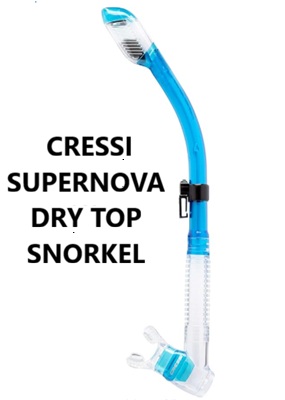
- Snorkel comfort - Make sure everyone is comfortable with the exact snorkel they are bringing on the trip.
- Beach Music - Have a Sea Base trip Caribbean island music (Beach Boys, Jimmy Buffet) playlist and Bluetooth speakers for songs while sailing!
- Tip captains? Bring cash as a tip for the captain.
- Souvenirs: You can make Class B rash guards for your group via Custom Ink.
The galley has nearly every council patch and the units from that council who have come to sea base stapled onto the walls. You can buy your troop numbers in the shop, but you can also bring your own and an updated council strip. - Solar chargers do not work well enough. Keep phones turned off as much as possible and bring backup batteries.
- Other useful stuff to bring:
Clothespins, extra spices and hot sauce, personal adult coffee cups - Pennekamp State Park has washing machines available at if you have a mid-week stop there.
Sun, Snorkeling, Swimming
and Bugs
- Snorkeling: bring defog for masks, much better lasting than "spit". See this page about masks, snorkels, defog solutions and related info.
- Best Snorkeling locations: map and descriptions of each location
- Swim suits without liners reduce chaffing, Wear compressions shorts under. You will wear the same bathing suit/swim shirt from sun up until done swimming in the evening,
- Dry shorts (and undies) to lounge in and sleep in make the evening/nighttime more comfortable.
- Sunscreen: blue lizard worked best according to many participants, and it is reef-safe.
- Deet - Don’t forget non-aerosol insect repellant, like the
Deet towellette packets kind! You won’t
 need it while sailing, but you will definitely need it mid-week
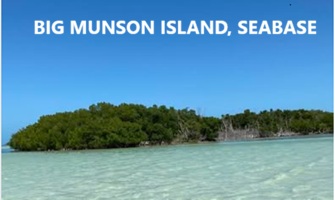
at Pennekamp State Park, or if you camp on Big Munson Island or at
Camp Jackson Sawyer before or after your
adventure.
need it while sailing, but you will definitely need it mid-week
at Pennekamp State Park, or if you camp on Big Munson Island or at
Camp Jackson Sawyer before or after your
adventure. - Participants must wear a snorkeling PFD, stay within arm’s reach of their buddy, and never take, touch, or harass underwater species including coral. Participants must provide their own mask & snorkel. Sea Base will provide fins, a snorkel vest and mesh bag. You should practice using a snorkel, mask and fins before coming to Sea Base.
Fishing
- Fishing Licenses: You do not need to purchase a fishing license for sailing/ boat adventures. This ship holds one for all on the boat.
- Midweek: Some vessels may make a midweek call at John Pennekamp State Park, Safe Harbor Marathon,
or Banana Bay Resort and Marina.
See more information about mid-week port-of-call stops here.
- Bait storage: The bait cooler works well, but the Florida heat can be relentless. Your bait can become cooked and useless from the sun by the second day.
Final Day at Sea & Departure:
- Participants will return to Sea Base between 8:30am-9:30am on their departure day. Upon docking your crew will be responsible for cleaning the vessel, disposing of trash, and gathering personal gear. Your unit will then check in any Sea Base provided gear. Crews will have the opportunity to shower and visit the Ship Store.
- Tipping the captains: it is convention for crews to tip the captain of their boat. The consensus is $20 per crew member. Some tip $25 per person.
- Departure Time: Crews are asked to depart Sea Base no later than 11:00am.
- Adjustment to being back on land. Yes, the world will feel like it is moving for a while after so many days at sea.
Official 2026 Participants Guides
 In addition to these tips from former participants, see the
Participants Guide for your specific trip, such as the "Sailing
Participants Guide", which I highly recommend
you read! Click on your adventure's PDF guide at right.
In addition to these tips from former participants, see the
Participants Guide for your specific trip, such as the "Sailing
Participants Guide", which I highly recommend
you read! Click on your adventure's PDF guide at right.
One scout made a nice 25-minute video of the packing list with his recommendations (I've merged his recommendations into the list above).
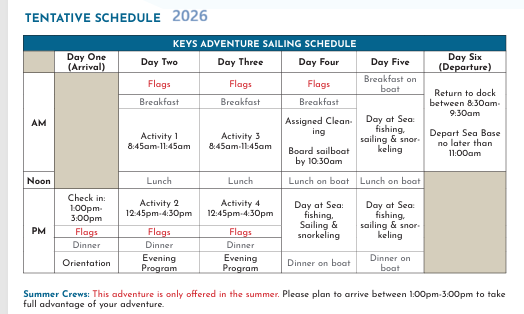
The 2026 Florida Keys Sea Base Packing list:
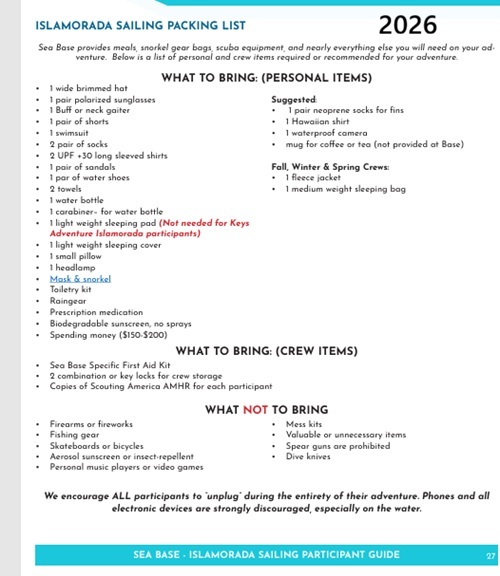
Sea Base Islamorada guides
- Sea Base - What to know; checking in, site map, photos, etc
- All sailing Adventures
- Coral Reef Sailing
- Keys Adventure Islamorada(KI)
- Eco Sailing,
- Sea Exploring,
- SCUBA
- Dorms at Islamorada
- Sea Base Ship Store (in the Keys) prices, photos
- Islamorada Sea Base tips and info
Sea Base Brinton BEC guides
- BEC Keys Adventure
- BEC Out Island Adventure
- BEC Florida Fishing Adventure
- BEC site map, dorms, check-in, more
St Thomas / Bahamas guides
Gear
- Packing checklist and calculator
- Selecting snorkels and masks
- Guide to underwater cameras
- Duffle bag choices
- Sleeping liners, mats, etc
- Reef-safe sunscreens: Blue Lizard or Banana Boat
- Self-inflating foam mats
- Sea Base forms and documents
Sea Base Info
- Sailboats: detailed inside photos and info
- Sea Base trip tips
- Sea Base FAQs
- Awards Scouts Can Get At Sea Base
- Guide to custom crew shirts
- Merit badges at Sea Base
- Sailing and Boating Terms
- Best snorkeling locations
- Fish and marine life you will see (photos)
- Fishing: edible fish identifer
- Things to do before/after Sea Base
 Sleeping bag insert / liner
(with zipper and pillow pocket)
to use instead of a sleeping bag in hot climates
Sleeping bag insert / liner
(with zipper and pillow pocket)
to use instead of a sleeping bag in hot climates
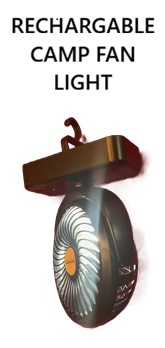 Portable Camping LED Light and Fan, 40hrs Rechargeable,
stands or hangs in tent/ ground.
Portable Camping LED Light and Fan, 40hrs Rechargeable,
stands or hangs in tent/ ground.
 Self-inflating foam mat,
Folding Foam Pads,
Therm-a-Rest,
or
Klymit Static V
Self-inflating foam mat,
Folding Foam Pads,
Therm-a-Rest,
or
Klymit Static V
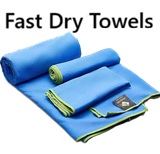 Towels - Fast
Drying Lightweight Microfiber Travel Towels
Towels - Fast
Drying Lightweight Microfiber Travel Towels
 Portable Power Bank 50,000 mah, Ultra-High Capacity Battery Pack,2 USB Output High Speed Charging Power bank