Astronomy Merit Badge Resources
 Are you going on the
a troop camping trip, to Philmont or on a Sea Base high adventure
Florida Keys, Bahamas, St. Thomas sailing, snorkeling trip and
thinking, I'll bet I could do most of the requirements for the Astronomy Merit Badge? You are RIGHT!
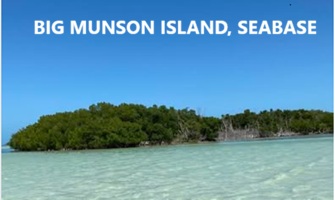
Especially if you will be camping away from city lights, like in the mountains or on an island, like Big Munson Island. Here's
what you could get learn about and - possibly - get signed off on the Astronomy Merit Badge, if your
counselor is present!
Are you going on the
a troop camping trip, to Philmont or on a Sea Base high adventure
Florida Keys, Bahamas, St. Thomas sailing, snorkeling trip and
thinking, I'll bet I could do most of the requirements for the Astronomy Merit Badge? You are RIGHT!
Especially if you will be camping away from city lights, like in the mountains or on an island, like Big Munson Island. Here's
what you could get learn about and - possibly - get signed off on the Astronomy Merit Badge, if your
counselor is present!
Be sure to get your Blue Card and a counselor assigned BEFORE you leave! Then document completion of anything you do on the trip. Be prepared to show your counselor photos, if he or she is not there with you, whenever possible, to demonstrate you competency and completion of requirements.
Note - we are NOT affiliated with BSA or Sea Base, just scouts and scouters trying to help other scouts and scouters!
Astronomy Merit Badge
You can find and print to bring with you,
- Astronomy Merit badge on Scouting.org
- the full, free PDF of the Astronomy Merit Badge pamphlet here. and
- the Astronomy Merit Badge workbook here.
The requirements below include some you will likely be doing or could do at Sea Base, so that makes it a merit badge to work on at Sea Base.
✅ Astronomy Requirements you can likely complete at Sea Base
Below is a summary and checklist. The highlighted requirements could be done during Sea Base. You can learn the others while there, and if a astronomy merit badge counselor is there, do those, too. See the pamphlet or workbook above for details. Learn, during the trip, about those you must later explain to you counselor.
The captain of your boat may know about many of these things and be willing to explain them to you. Captains of boats are expected to know how to navigate by the stars!
⚠ Remaining requirements (less likely or need extra work - do before or after Sea Base)
These are usually discussion-based and may need a counselor session, such as any that say explain or describe, BUT you can DO others BEFORE you go, and LEARN enough during Sea Base about these to do them when get home. So, which requirements you can complete will likely depend upon what counselors and are present on your boat or with your group or crew as well as what their background and experience is. Be sure to document anything you discuss with them and learn from them so that you can clearly explain it to your assigned merit badge counselor when you return
���� Astronomy Merit Badge Checklist
| Req | Description | Done | Initials |
|---|---|---|---|
| 1a | Explain astronomy activity hazards and prevention/response methods | ||
| 1b | Explain first aid for dehydration, heat/cold injuries, bites, stings, and eye damage | ||
| 1c | Describe proper clothing and precautions for night and cold-weather observing | ||
| 1d | Explain safe observation of the Sun, nearby objects, and solar eclipses | ||
| 2 | Explain light pollution and how light and air pollution affect astronomy | ||
| 3a | Explain importance and use of binoculars and telescopes | ||
| 3b | Describe types of telescopes, including non-visible spectrum telescopes | ||
| 3c | Explain purposes of three telescope instruments | ||
| 3d | Describe proper care and storage of telescopes and binoculars | ||
| 4a | Identify 10 constellations, including at least four zodiac constellations | ||
| 4b | Identify eight conspicuous stars, including five magnitude 1 or brighter stars | ||
| 4c | Sketch Big Dipper or Cassiopeia twice showing orientation changes, North Star, horizon, date, and time | ||
| 4d | Explain what is seen when observing the Milky Way | ||
| 5a | List five visible planets and explain planetary phases | ||
| 5b | Create chart showing visibility of five planets over next 12 months | ||
| 5c | Describe planetary motion across the sky | ||
| 5d | Observe a planet and describe observations | ||
| 6a | Sketch Moon and label five seas and five craters | ||
| 6b | Sketch Moon phases and positions over four observations and explain changes | ||
| 6c | List factors that keep the Moon in orbit around Earth | ||
| 6d | Explain Sun-Earth-Moon positions during phases and eclipses | ||
| 7a | Describe composition of the Sun and effects on Earth | ||
| 7b | Define sunspots and describe effects on solar radiation | ||
| 7c | Identify a red, blue, and yellow star and explain star colors | ||
| 8a | Visit planetarium or observatory and submit report, scrapbook, or presentation | ||
| 8b | Plan and participate in observation session using binoculars or telescope | ||
| 8c | Plan and host a star party using binoculars or telescope | ||
| 8d | Assist astronomy club with public star party | ||
| 8e | Take and present series of labeled astronomical photographs/images | ||
| 8f | Use online observing tools such as SkyNet and discuss experience | ||
| 9a | Research astronomy-related career opportunities and requirements | ||
| 9b | Research astronomy as a hobby and discuss goals and opportunities |
Sea Base Islamorada guides
- Sea Base - What to know; checking in, site map, photos, etc
- All sailing Adventures
- Coral Reef Sailing
- Keys Adventure Islamorada(KI)
- Eco Sailing,
- Sea Exploring,
- SCUBA
- Dorms at Islamorada
- Sea Base Ship Store (in the Keys) prices, photos
- Islamorada Sea Base tips and info
Sea Base Brinton BEC guides
- BEC Keys Adventure
- BEC Out Island Adventure
- BEC Florida Fishing Adventure
- BEC site map, dorms, check-in, more
St Thomas / Bahamas guides
Gear
- Packing checklist and calculator
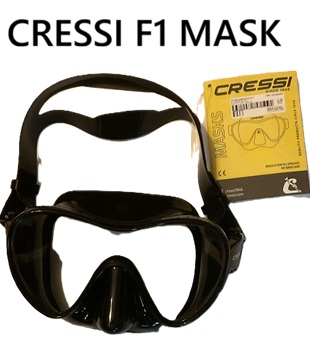
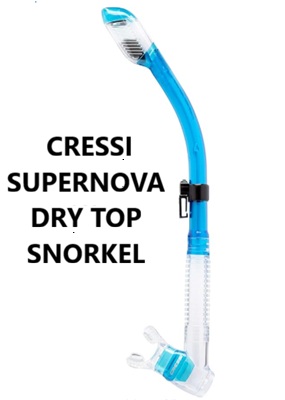
- Selecting snorkels and masks
- Guide to underwater cameras
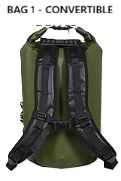
- Duffle bag choices
- Sleeping liners, mats, etc
- Reef-safe sunscreens: Blue Lizard or Banana Boat
- Self-inflating foam mats
- Sea Base forms and documents
Sea Base Info
- Sailboats: detailed inside photos and info
- Sea Base trip tips
- Sea Base FAQs
- Awards Scouts Can Get At Sea Base
- Guide to custom crew shirts
- Merit badges at Sea Base
- Sailing and Boating Terms
- Best snorkeling locations
- Fish and marine life you will see (photos)
- Fishing: edible fish identifer
- Things to do before/after Sea Base
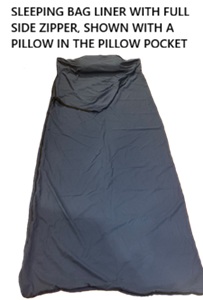 Sleeping bag insert / liner
(with zipper and pillow pocket)
to use instead of a sleeping bag in hot climates
Sleeping bag insert / liner
(with zipper and pillow pocket)
to use instead of a sleeping bag in hot climates
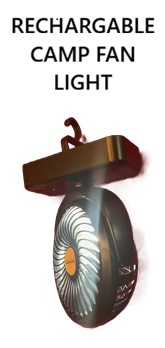 Portable Camping LED Light and Fan, 40hrs Rechargeable,
stands or hangs in tent/ ground.
Portable Camping LED Light and Fan, 40hrs Rechargeable,
stands or hangs in tent/ ground.
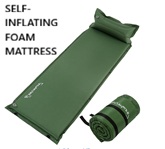 Self-inflating foam mat,
Folding Foam Pads,
Therm-a-Rest,
or
Klymit Static V
Self-inflating foam mat,
Folding Foam Pads,
Therm-a-Rest,
or
Klymit Static V
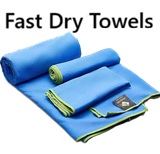 Towels - Fast
Drying Lightweight Microfiber Travel Towels
Towels - Fast
Drying Lightweight Microfiber Travel Towels
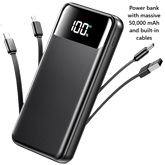 Portable Power Bank 50,000 mah, Ultra-High Capacity Battery Pack,2 USB Output High Speed Charging Power bank
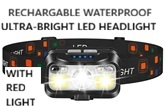 Headlamp - 1200 Lumen Super Bright, Rechargeable, Motion Sensor, 2-Pack, Waterproof w White Red Light in 8 Modes
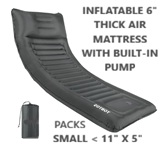 Camping mattress -
Super-comfortable, mattress, with Pillow, Thick 6 Inch Ultralight Sleeping Pad with Built-in Pump
Camping mattress -
Super-comfortable, mattress, with Pillow, Thick 6 Inch Ultralight Sleeping Pad with Built-in Pump