Snorkeling at Jesus of the Abysss near Key Largo and Islamorada
Everyone ask about snorkeling in the coral reefs of the Florida Keys, such as with BSA Sea Base, a group event or on your own. And one of the more popular dive or snorkeling sites is at Jesus of the Abyss, also called Christ of the Abyss, Christ of the Deep or the Underwater Jesus. It is a famous submerged bronze statue of Jesus Christ with arms outstretched, located off Key Largo. It sits offshore from John Pennekamp Coral Reef State Park at Key Largo Dry Rocks reef, within or adjacent to the Florida Keys National Marine Sanctuary (which is about 5 or 6 miles offshore). It can EASILY be seen while snorkeling.
.
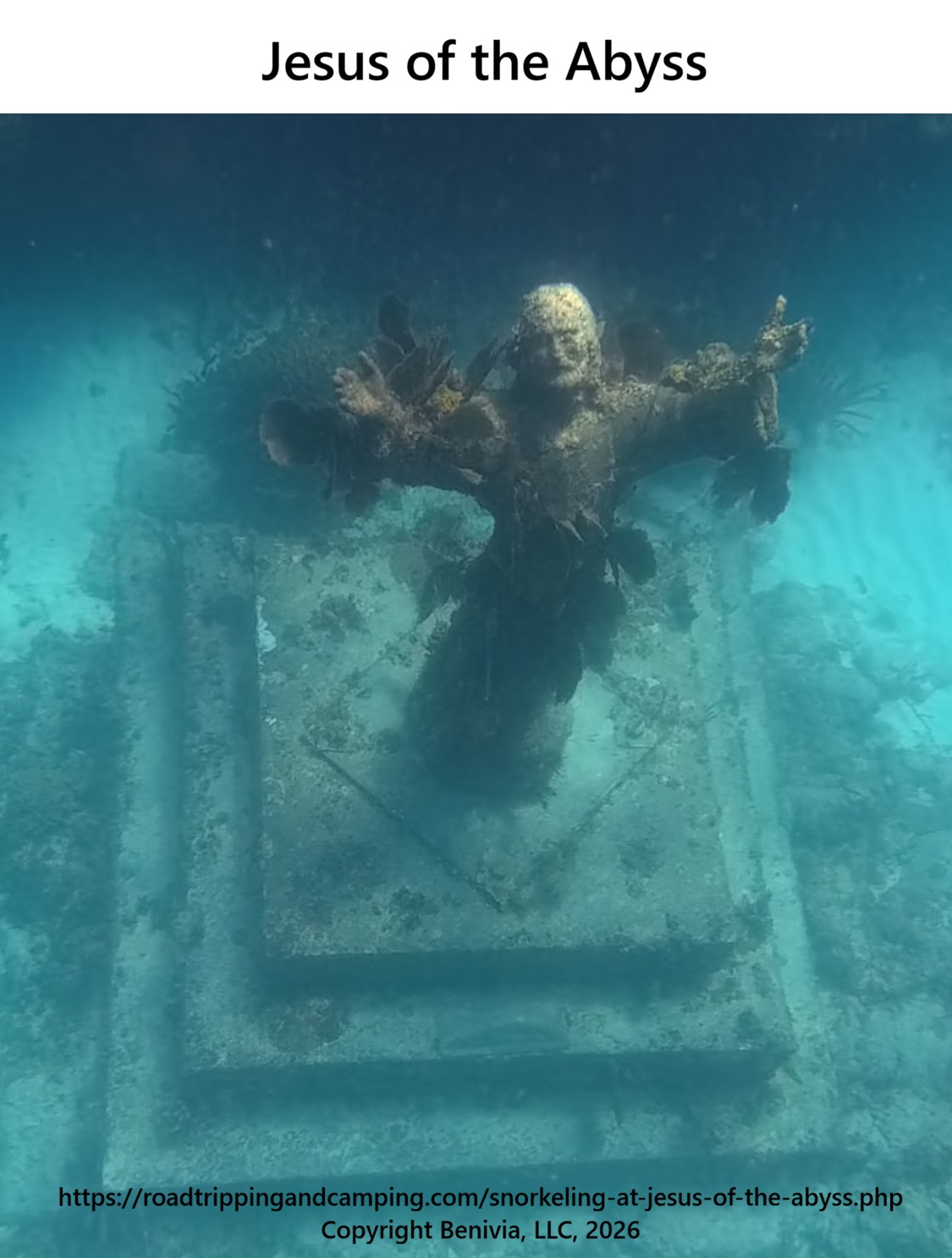
The statue is about 8.5 to 9 feet (about 2.7 meters) tall, depicts Christ with arms outstretched upward in a gesture of blessing or invitation, and rests in about 20 to 25 feet (6–8 meters), depending on the tides, of water on a heavy concrete base. The statue itself weighs around 1,100–4,000 pounds depending on who you refer to as the source. The base adds tens of thousands more weight.
History
The original statue, Il Cristo degli Abissi, was created by Italian sculptor Guido Galletti in 1954 and placed underwater in Italy, near San Fruttuoso Bay (between Camogli and Portofino on the Italian Riviera) to honor divers and those lost at sea, including early scuba pioneer Dario Gonzatti.
Two additional bronze castings were made from the same mold:
- One placed in St. George’s Harbor, Grenada (1961; not fully submerged in the same way).
- The third, commissioned by Italian diving-equipment manufacturer Egidio Cressi (of Cressi), was donated to the Underwater Society of America in 1961–1962. It traveled via Chicago (where it was displayed), then to Florida. After sitting onshore for a time, it was installed on August 25, 1965, at Dry Rocks. It was formally dedicated in 1966 (said to be under the name Christ of the Deep).
The placement recognized conservation efforts around America’s first underwater park (John Pennekamp, dedicated in 1960). Over decades, marine growth (corals, algae, sponges, sea fans) has covered much of it, turning it into a living artificial reef element.
Visiting the statue
It is one of the most popular and photographed snorkeling and diving sites in the Upper Keys and among the world’s best-known underwater statues. The relatively shallow depth makes it accessible to snorkelers (who typically view it from the surface or free-dive closer, as we did on our Sea Base trip), scuba divers, and sometimes glass-bottom boat tours. The surrounding reef features corals (including brain and elkhorn), tropical fish (like parrotfish, blue tangs, etc.), and occasional larger marine life like rays, eels, or turtles.
Access is almost always by boat (commercial snorkel/dive charters from Key Largo or the park itself; private boats must use mooring buoys. No anchoring is allowed as it would damage the reef. It can get crowded on peak days, especially weekends in high season, with multiple boats and many people in the water. Conditions vary with weather, current, and visibility (which is usually good in the clear Keys water).
Many visitors describe a memorable or even spiritual experience due to the setting, while others simply enjoy the unique photo opportunity and reef life. Note that the statue and reef are protected, so do not touch the coral or statue.
Also be sure to see
- Tips and recommendations based on past trips
- Master list of Sea Base Trip Guides, Checklists, Calculators, Lists, Forms, Tips and More
- Unofficial official Sea Base page with loads more information about Sea Base.
-
Merit badge requirements you can complete while on a Sea Base Adventure!
Sea Base, Keys Adventure Islamorada (KI)
Sea Base Islamorada guides
- Sea Base - What to know; checking in, site map, photos, etc
- All sailing Adventures
- Coral Reef Sailing
- Keys Adventure Islamorada(KI)
- Eco Sailing,
- Sea Exploring,
- SCUBA
- Dorms at Islamorada
- Sea Base Ship Store (in the Keys) prices, photos
- Islamorada Sea Base tips and info
Sea Base Brinton BEC guides
- BEC Keys Adventure
- BEC Out Island Adventure
- BEC Florida Fishing Adventure
- BEC site map, dorms, check-in, more
St Thomas / Bahamas guides
Gear
- Packing checklist and calculator
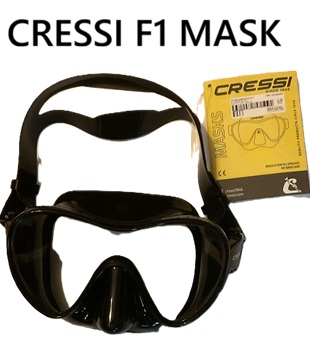
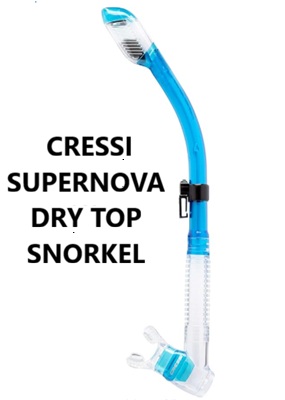
- Selecting snorkels and masks
- Guide to underwater cameras
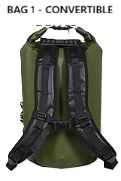
- Duffle bag choices
- Sleeping liners, mats, etc
- Reef-safe sunscreens: Blue Lizard or Banana Boat
- Self-inflating foam mats
- Sea Base forms and documents
Sea Base Info
- Sailboats: detailed inside photos and info
- Sea Base trip tips
- Sea Base FAQs
- Awards Scouts Can Get At Sea Base
- Guide to custom crew shirts
- Merit badges at Sea Base
- Sailing and Boating Terms
- Best snorkeling locations
- Fish and marine life you will see (photos)
- Fishing: edible fish identifer
- Things to do before/after Sea Base
Related Interests
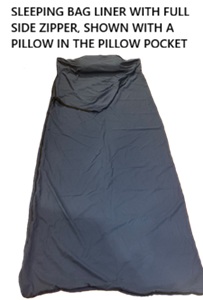 Sleeping bag insert / liner
(with zipper and pillow pocket)
to use instead of a sleeping bag in hot climates
Sleeping bag insert / liner
(with zipper and pillow pocket)
to use instead of a sleeping bag in hot climates
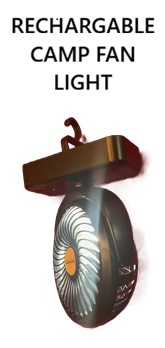 Portable Camping LED Light and Fan, 40hrs Rechargeable,
stands or hangs in tent/ ground.
Portable Camping LED Light and Fan, 40hrs Rechargeable,
stands or hangs in tent/ ground.
 Self-inflating foam mat,
Folding Foam Pads,
Therm-a-Rest,
or
Klymit Static V
Self-inflating foam mat,
Folding Foam Pads,
Therm-a-Rest,
or
Klymit Static V
 Towels - Fast
Drying Lightweight Microfiber Travel Towels
Towels - Fast
Drying Lightweight Microfiber Travel Towels
 Portable Power Bank 50,000 mah, Ultra-High Capacity Battery Pack,2 USB Output High Speed Charging Power bank
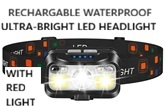 Headlamp - 1200 Lumen Super Bright, Rechargeable, Motion Sensor, 2-Pack, Waterproof w White Red Light in 8 Modes
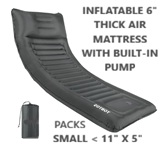 Camping mattress -
Super-comfortable, mattress, with Pillow, Thick 6 Inch Ultralight Sleeping Pad with Built-in Pump
Camping mattress -
Super-comfortable, mattress, with Pillow, Thick 6 Inch Ultralight Sleeping Pad with Built-in Pump