Commonly seen Sea Floor Dwelling Creatures while snorkeling or diving in the Florida Keys
Besides the fish and coral, you might be wondering what kind of Non-Fish Sea Floor and Bottom-Dwellers and other marine life are you likely to encounter in the Floida Keys? What do they look like? What are their names? Scrol down this page and see a master list of the most commonly observed Non-Fish Sea Floor and Bottom-Dwellers and other wildlife in the Sanctuary Protected Areas (SPA) of the Florida Keys. The Florida Keys are home to Earth's second largest coral reef, after Australia's Great Barrier Reef. There are so many amazing snorkeling and diving locations in the Keys and so much to see. You can also click here to see the Top snorkeling and diving locations in the Florida keys.
Commonly seen Non-Fish Sea Floor and Bottom-Dwellers and other marine life while snorkeling or diving in the Florida Keys
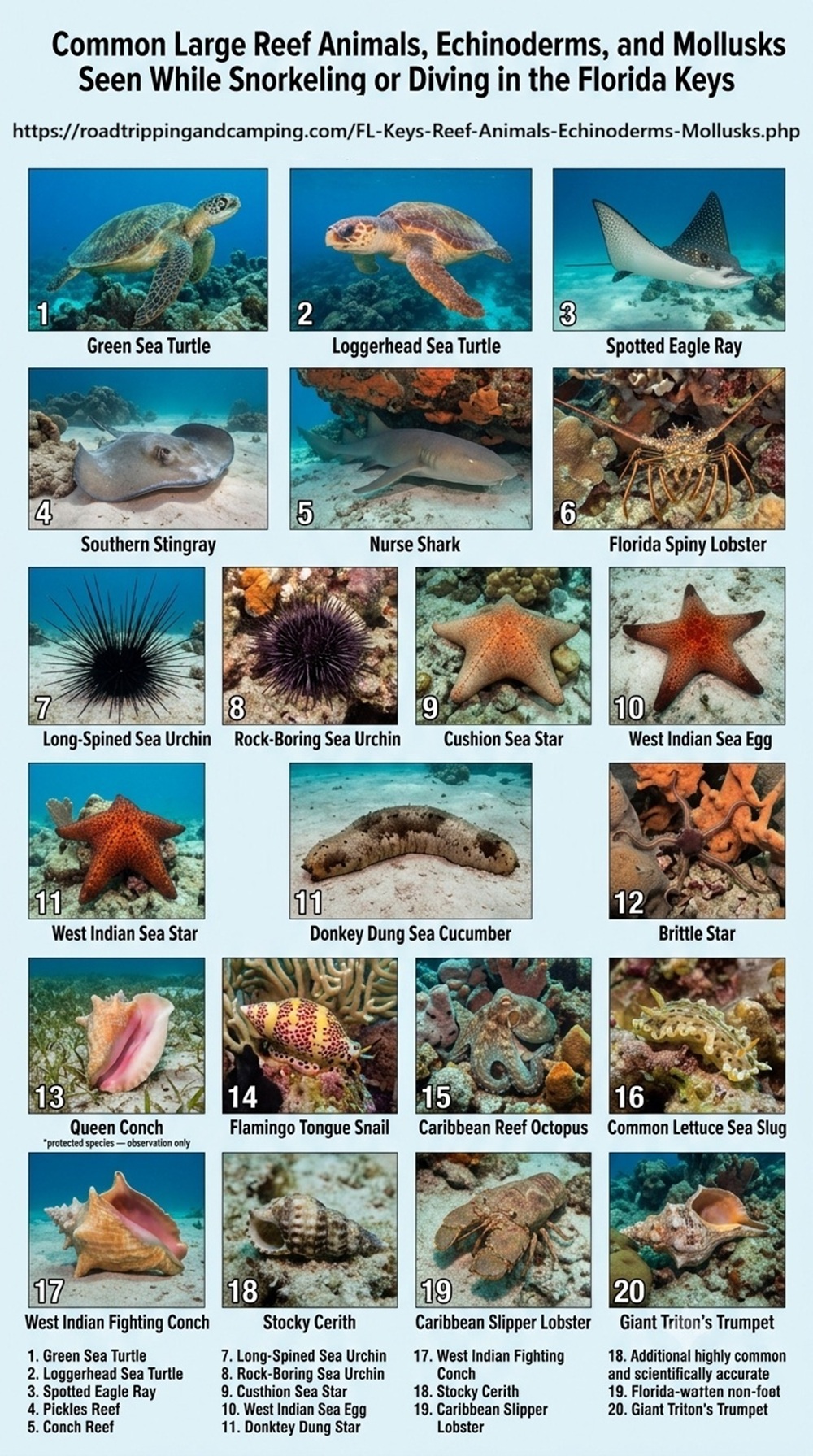
Below is a master identifier photo followed by notes and/or descriptions of each after it! That part will take time to fill out!
If you have access to a color printer, you can print out this PDF version of the table (it will open in a new window ready to print) below put it in a gallon size ziplock bag which makes it waterproof and take it along with you to identify the Non-Fish Sea Floor and Bottom-Dwellers . Of course, double check that your zip lock bag is sealed properly, if you want to go underwater with it or take a few backup copies
Also see
- Top 50 most commonly seen fish while snorkeling or diving in the Florida Keys
- Coral seen in the Florida Keys
- Sponges, Small Reef Invertebrates and Soft Corals
Sea Floor Dwelling Creatures in Florida Keys Snorkel Sites
Besides fish and coral, these popular snorkel locations (Looe Key Reef, Alligator Reef, Cheeca Rocks, Patch Reef, Molasses Reef, Hen and Chickens, John Pennekamp reefs, San Pedro Wreck Reef, Pickles Reef, Sombrero Key Reef, and Conch Reef) host a rich variety of invertebrates and other marine life on the seafloor and near the bottom. You can typically expect to see 10–20+ noticeably different types on a good snorkel, depending on conditions and luck.
Commonly Seen (Non-Fish) Reef animals, Sea Floor and Bottom-Dwellers
- Sea Turtles (Green, Loggerhead) - Frequently glide over reefs or rest on the bottom; common at most sites, especially Cheeca Rocks and Looe Key.
- Rays (Spotted Eagle Rays, Southern Stingrays) - Graceful swimmers or partially buried in sand; often spotted at Looe Key, Molasses, and Hens and Chickens.
- Nurse Sharks - Docile bottom-dwellers resting under ledges or coral; seen at many reefs including Molasses and Alligator.
- Spiny Lobsters - Antennae poking from crevices or under coral; common but more active at night.
- Sea Urchins (Long-spined, Rock-boring) - On the seafloor or coral; watch for spines (numbers have fluctuated but are recovering in some areas).
- Starfish / Sea Stars (various species) - Crawling on sand or coral; including cushion stars and others.
- Sea Cucumbers - Soft, elongated bodies on the sand or reef; common in patch reefs.
- Crabs (Arrow Crabs, Hermit Crabs, Sponge Crabs) - Scuttling among coral or in crevices.
- Conch (Queen Conch) - Large shells on sandy patches (protected-observe only).
- Sponges (Tube, Barrel, Vase, Finger) - Colorful structures providing habitat; very noticeable on many reefs.
- Anemones - Attached to rocks or coral; sometimes hosting clownfish-like associations.
- Brittle star
- Octopus (camouflaged)
- Nudibranchs, sea slugs
- Christmas Tree Worms.
What to Expect by Site Type
- Patch Reefs (Cheeca Rocks, Hens and Chickens, Patch Reef): Excellent for starfish, sea cucumbers, crabs, and conch on sandy areas between coral heads.
- Barrier Reefs (Looe Key, Molasses, Alligator, Sombrero): More rays, nurse sharks, lobsters in deeper grooves, and diverse sponges.
- Wreck Sites (San Pedro): Extra structure attracts lobsters, crabs, and eels hiding in debris.
- John Pennekamp Reefs: High diversity including urchins, sea stars, and turtles.
Tips for Observation
Move slowly and hover above the bottom without stirring sand. Many creatures are well-camouflaged. Guided tours often highlight these invertebrates. All marine life is protected-look, photograph, but never touch or collect. Visibility and season affect sighting.
Print the identifer table and put it in a gallon size zip lock bag to take on the boat
All you need is a color printer. When you click here it will open the PDF of the image above, ready to print out in a portrait mode on a color printer. Once you print it you can simply take a pair of scissors cut off the white borders and slide it into a gallon size zip lock bag to make it waterproof. You could also use heavier card stock paper to make it stiffer.
What Influences Sightings
Conditions (such as water clarity, weather, currents, season), group size, and guide knowledge matter. Shallow calm days improve sightings; deeper or outer reefs offer bigger fish. All sites are protected: you may observe without touching or feeding. Guided tours (with ID tips) enhance the experience for some. These reefs deliver an experience like you are inside a giant aquarium, with constant color and motion.
Also see the
Top 11 best snorkeling and diving locations
in the Florida keys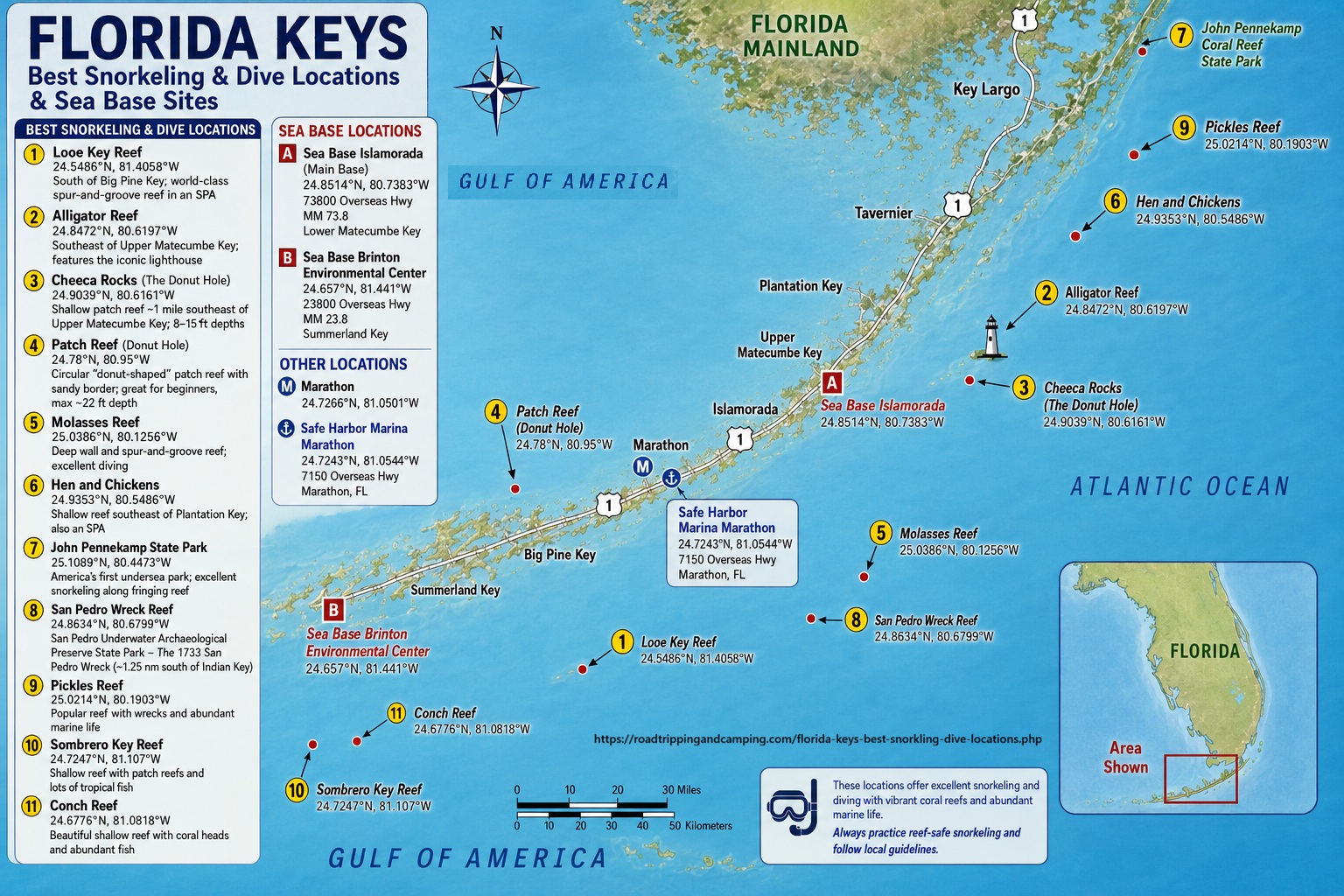
Sea Base Gear Guides
- Packing checklist
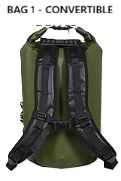
- Duffle bags, waterproof ($20 - $65)
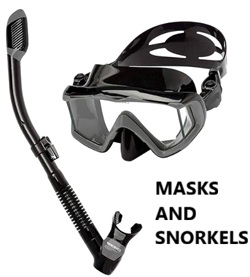
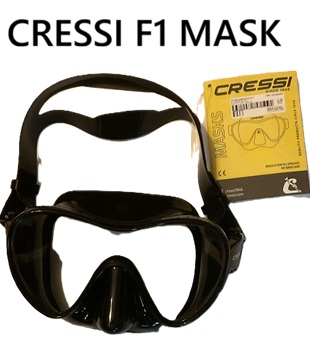
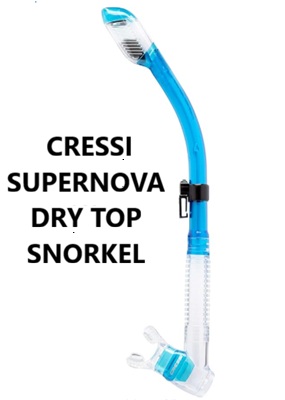
- Snorkel and Mask - ($25 - $200)
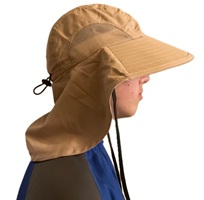
- Clothing: sun hat,
sun shirts,
dive gloves, dive socks,
sandals, Hawaiian Luau
shirt, etc
- Water bottles
- Sunglasses, straps
- Neck gaiter / buff
- Rain poncho
- Misc: clothespins, Paracord, clamps with Paracord
- Towels
- Kits (first aid, personal hygiene)
- Sunscreen and bug lotions
- Sleeping gear - mats - pads, liner insert, pillows
- Electronics - headlamp, battery/power pack
- Cameras: waterproof, from $40 - $400
Sea Base Brinton and Islamorada Trips: Tips, FAQs and Trip Information
- A typical Itinerary for Islamorada Coral Reef Sailing
 A Typical Itinerary for an Islamorada
Keys Adventure Sailing (KS)
A Typical Itinerary for an Islamorada
Keys Adventure Sailing (KS)- A Typical Itinerary for an Keys Adventure Islamorada (KI)
- A typical itinerary for a Brinton (BEC Summerland Key) Fishing Adventure
- Ground Transportation
- Islamorada dorms - if you stay there your first or last night (unlikely, ask your trip organizer / leader)
- Glamping Tents - if you stay there your first or last night (unlikely, ask your trip organizer / leader)
- Souvenirs
- Sleeping on sailboats
- Laundry at Islamorada (if you have time there on the morning you return to Sea Base)
- Required forms, and tips to organizing them
- Fishing licenses (none needed)
- Florida Keys Fishing Tips (types of fish, photos, lures, baits, methods)
- Ship bathrooms (the Head), pizza and more oddball stuff.
- Paperwork
- Florida Keys Fishing Tips (types of fish, photos, lures, baits, methods) This page has photos of each type of fish and more information.
- Sea Base Adventure cost estimator, calculator AND packing checklist
- The full official 2026 Sea Base Keys Islamorada Sailing Adventure guidebook (PDF)
More Information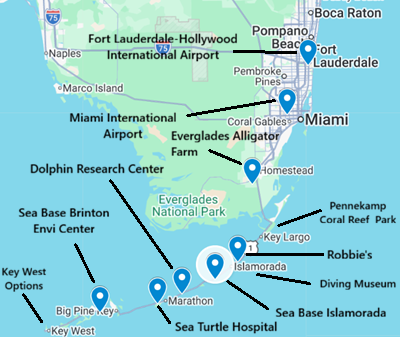
- What can you do after finishing at Sea Base plenty of fun stuff nearby or on the way to the airport.
- FAQs : Sea Base frequently asked questions - the constantly growing FAQs page is here.
- Keys Islamorada Sailing Adventure packing list -
and here is the complete
Keys Islamorada Sailing Adventure
guidebook
This covers: Coral Reef Sailing, Eco Sailing, Sea Exploring, Keys Adventure Sailing, and Keys Adventure Islamorada - The Unofficial Sea Base page with loads more information about Sea Base.
- Underwater Cameras, underwater and action cameras, GoPro's etc all options from $40 - $700
- Florida Keys Fishing Tips
- Merit badge requirements you can complete while on a Sea Base Adventure!
- Sea Base Awards Scouts Can Get At Sea Base
- Sea Base Forms, and tips to organizing them for a speedy check-in!

Sea Base Islamorada guides
- Sea Base - What to know; checking in, site map, photos, etc
- All sailing Adventures
- Coral Reef Sailing
- Keys Adventure Islamorada(KI)
- Eco Sailing,
- Sea Exploring,
- SCUBA
- Dorms at Islamorada
- Sea Base Ship Store (in the Keys) prices, photos
- Islamorada Sea Base tips and info
Sea Base Brinton BEC guides
- BEC Keys Adventure
- BEC Out Island Adventure
- BEC Florida Fishing Adventure
- BEC site map, dorms, check-in, more
St Thomas / Bahamas guides
Gear
- Packing checklist and calculator
- Selecting snorkels and masks
- Guide to underwater cameras
- Duffle bag choices
- Sleeping liners, mats, etc
- Reef-safe sunscreens: Blue Lizard or Banana Boat
- Self-inflating foam mats
- Sea Base forms and documents
Sea Base Info
- Sailboats: detailed inside photos and info
- Sea Base trip tips
- Sea Base FAQs
- Awards Scouts Can Get At Sea Base
- Guide to custom crew shirts
- Merit badges at Sea Base
- Sailing and Boating Terms
- Best snorkeling locations
- Fish and marine life you will see (photos)
- Fishing: edible fish identifer
- Things to do before/after Sea Base
Related Interests
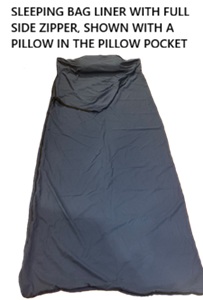 Sleeping bag insert / liner
(with zipper and pillow pocket)
to use instead of a sleeping bag in hot climates
Sleeping bag insert / liner
(with zipper and pillow pocket)
to use instead of a sleeping bag in hot climates
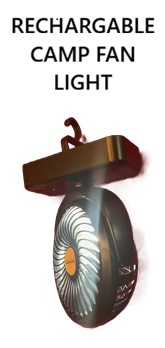 Portable Camping LED Light and Fan, 40hrs Rechargeable,
stands or hangs in tent/ ground.
Portable Camping LED Light and Fan, 40hrs Rechargeable,
stands or hangs in tent/ ground.
 Self-inflating foam mat,
Folding Foam Pads,
Therm-a-Rest,
or
Klymit Static V
Self-inflating foam mat,
Folding Foam Pads,
Therm-a-Rest,
or
Klymit Static V
 Towels - Fast
Drying Lightweight Microfiber Travel Towels
Towels - Fast
Drying Lightweight Microfiber Travel Towels
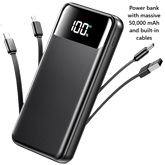 Portable Power Bank 50,000 mah, Ultra-High Capacity Battery Pack,2 USB Output High Speed Charging Power bank