Florida Keys Reef Soft Corals, Sponges and Small Reef Invertebrates
If you're going snorkeling or diving in the Florida Keys you probably already seen colorful photographs of all the coral that you see underwater. But if you're going there you might want to be able to identify them yourself! Scroll down this page and see a master list of the most commonly observed coral and other wildlife in the Sanctuary Protected Areas (SPA) of the Florida Keys. The Florida Keys are home to Earth's second largest coral reef, after Australia's Great Barrier Reef. There are so many amazing snorkeling and diving locations in the Keys and so much to see. You can also click here to see the Top snorkeling and diving locations in the Florida keys.
Florida Keys Reef Soft Corals, Sponges and Small Reef Invertebrates
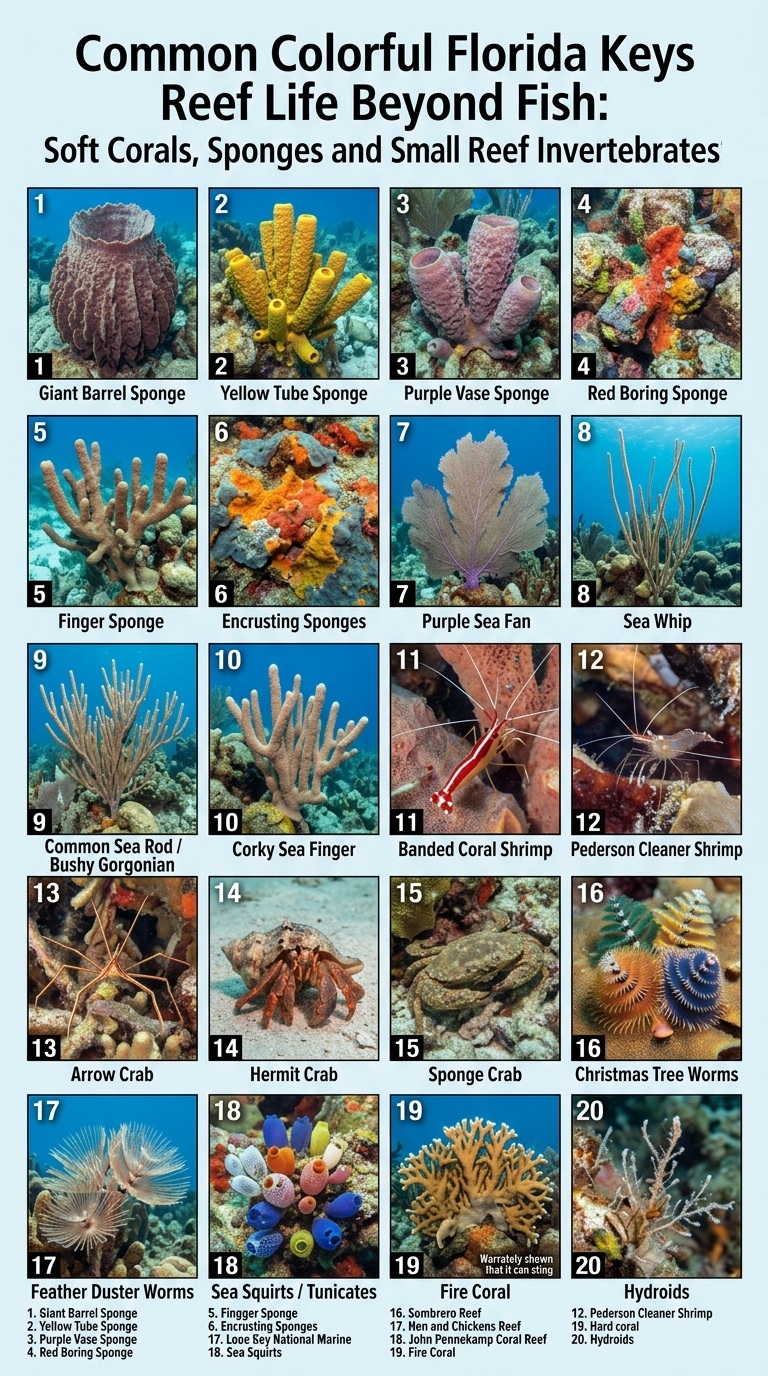
Below is a master identifier photo followed by notes and/or descriptions of each after it! That part will take time to fill out!
If you have access to a color printer, you can print out this PDF version of the table (it will open in a new window ready to print) below put it in a gallon size ziplock bag which makes it waterproof and take it along with you to identify the coral . Of course, double check that your zip lock bag is sealed properly, if you want to go underwater with it or take a few backup copies
Also see:
- Top 50 most commonly seen fish while snorkeling or diving in the Florida Keys
- Coral seen in the Florida Keys
- Commonly Seen (Non-Fish) Reef animals, rays, sea cucumbers, turtles, urchins, crabs, anenomes, Sea Floor and Bottom-Dwellers
Varieties of Soft Corals, Sponges and Small Reef Invertebrates in Florida Keys Snorkel and Dive Sites
The Florida Keys reefs (part of the only living barrier reef in the continental U.S.) feature mabny types of sponges, both hard (stony) corals and soft corals (like sea fans and plumes). Snorkelers in shallow areas (5–30 ft) commonly notice fewer types than the total diversity, as many are small, encrusting, or in deeper zones. Visibility, health of the reef, and recent events also affect what stands out.
Common Colorful Florida Keys Reef Life Beyond Fish
This guide is designed for Sea Base and other snorkelers, scuba divers, marine educators, and visitors exploring shallow reef environments throughout the Upper and Lower Florida Keys.
Descriptions
- Giant Barrel Sponge: Often called the "redwood of the reef," these massive, barrel-shaped sponges are some of the oldest and largest invertebrates in the Florida Keys. They filter massive volumes of water daily through their central opening (osculum).
- Yellow Tube Sponge: Distinguished by its bright yellow to yellow-orange tubes, this sponge grows in clusters. It has a smooth, leathery exterior and thrives on shallow-to-deep reef slopes.
- Purple Vase Sponge: This beautifully colored sponge forms a distinct vase-like or cup-like shape with a heavily textured, pitted exterior. Its color ranges from lavender to deep violet-pink.
- Red Boring Sponge: Unlike upright sponges, this species boringly tunnels into calcium carbonate reef substrates (like dead coral heads) and spreads as a bright red-to-orange encrusting layer.
- Finger Sponge: A branching sponge with a velvety texture, featuring finger-like projections that extend upwards. They are typically grayish-brown or beige and provide structure in shallow reef zones.
- Encrusting Sponges: These sponges grow as colorful, thin mats (ranging from vibrant oranges and blues to yellows) over dead coral skeletons, rocky ledges, and reef walls.
- Purple Sea Fan: A gorgeous, lace-like soft coral (gorgonian) that grows perpendicular to the water current to filter-feed on passing plankton. Its iconic fan shape sways gracefully with the ocean's surge.
- Sea Whip: A slender, flexible soft coral that resembles long, whip-like branches. They sway with the currents and are common in shallow patch reefs.
- Common Sea Rod / Bushy Gorgonian: A bushy, multi-branching soft coral featuring thick, cylindrical branches covered in tiny, fuzzy-looking polyps that extend to feed on organic matter.
- Corky Sea Finger: Known for its thick, rubbery, and highly textured branches, this soft coral has a distinct "corky" or bumpy feel and is commonly found in very shallow, high-surge reef zones.
- Banded Coral Shrimp: A striking, white-and-red striped crustacean with long, white antennae. It acts as a "cleaner" on the reef, advertising its services to fish looking to have parasites removed.
- Pederson Cleaner Shrimp: A translucent shrimp with purple-and-blue markings. It typically lives in association with corkscrew sea anemones, waving its antennae to attract fish host species for cleaning.
- Arrow Crab: This highly distinctive crab has an extremely pointed snout, thin, spindly, spider-like legs, and iridescent blue-tipped claws. It is often found hiding in reef crevices.
- Hermit Crab: A marine scavenger that protects its soft abdomen by inhabiting discarded sea snail shells, swapping shells as it grows.
- Sponge Crab: A unique crab that uses its rear legs to hold a living piece of sponge or colonial tunicate over its back like a custom-fitted shield, camouflaging itself perfectly from predators.
- Christmas Tree Worms: These colorful, spiral-shaped marine worms live inside tube structures bored into hard corals. When threatened, they instantly retract their colorful "plumes" (which they use for respiration and feeding) back into their tubes.
- Feather Duster Worms: Segmented worms that live in flexible mud- or sand-covered tubes, showcasing a crown of fine, feathery tentacles that extend to filter organic particles from the water column.
- Sea Squirts / Tunicates: Simple, highly colorful sac-like marine invertebrates that filter water through two siphons. They often grow in tight, colorful clusters on shady reef ledges.
- Fire Coral: Though it looks like a hard coral, this organism is actually a colonial hydrozoan. It possesses tiny, potent stinging cells (nematocysts) that cause a painful, burning rash upon contact.
- Hydroids: Feather-like, bushy colonies of tiny predatory polyps related to jellyfish. Like fire coral, they possess strong stinging cells and should not be touched.
What to Expect by Reef Site
Below is a guide outlining where you are most likely to encounter the specific marine life featured on the poster across the Florida Keys' premier reef sites.
1. John Pennekamp Coral Reef State Park & Key Largo Dry Rocks
This iconic, highly protected park contains a vibrant mix of shallow reef habitats and seagrass beds.
- Soft Corals commonly seen: Purple Sea Fan (7), Sea Whip (8), Common Sea Rod (9), and Corky Sea Finger (10) form dense underwater forests here.
- Sponges & Invertebrates commonly seen: Giant Barrel Sponge (1), Yellow Tube Sponge (2), Christmas Tree Worms (16) (commonly embedded in brain corals), and Arrow Crabs (13).
2. Molasses Reef
Known for its crystal-clear outer reef waters, classic spur-and-groove formations, and high biodiversity.
- Hard & Soft Corals commonly seen: Fire Coral (19) (famously lining the "Fire Coral Caves" sector), Purple Sea Fan (7), and Sea Whip (8).
- Sponges & Invertebrates commonly seen: Giant Barrel Sponge (1), Purple Vase Sponge (3), Banded Coral Shrimp (11), and Pederson Cleaner Shrimp (12).
3. Cheeca Rocks Reef
A thriving, highly resilient inner patch reef in Islamorada known for its massive, slow-growing brain and star coral heads.
- Soft Corals commonly seen: An abundance of Purple Sea Fans (7) and Common Sea Rods (9).
- Invertebrates & Sponges commonly seen: Christmas Tree Worms (16) nestled in the massive hard corals, Fire Coral (19), and various Encrusting Sponges (6) growing along the shaded undersides of coral heads.
4. Alligator Reef
Marked by a historic lighthouse, this site has incredibly diverse depth zones ranging from shallow sandy areas to deep spur-and-groove formations.
- Sponges commonly seen: Yellow Tube Sponge (2), Purple Vase Sponge (3), and Finger Sponge (5).
- Invertebrates commonly seen: Hermit Crabs (14) in the sandy patches, Arrow Crabs (13) in the rocky ledges, and Banded Coral Shrimp (11).
5. Pickles Reef
A very shallow, flat reef crest with historical navigation remains, featuring clear water and rich bottom-dwelling life.
- Sponges commonly seen: Red Boring Sponge (4) and Encrusting Sponges (6) coating the old debris and reef limestone.
- Stingers & Soft Corals commonly seen: Encrusting Fire Coral (19), Purple Sea Fan (7), and Sea Whips (8).
6. Conch Reef
Home to a deep drop-off and the Aquarius Reef Base underwater research laboratory, this site features excellent water flow.
- Sponges commonly seen: Huge Giant Barrel Sponges (1), Yellow Tube Sponges (2), and Purple Vase Sponges (3).
- Invertebrates commonly seen: Feather Duster Worms (17) and Sea Squirts / Tunicates (18) clustered on deep ledges.
7. Looe Key National Marine Sanctuary
A world-renowned reef shaped like a "finger" reaching into the Gulf Stream, resulting in incredible marine life density and pristine reef structures.
- Soft Corals commonly seen: Massive groves of Purple Sea Fans (7), Sea Whips (8), and Common Sea Rods (9).
- Sponges & Invertebrates commonly seen: Giant Barrel Sponges (1), Finger Sponges (5), Christmas Tree Worms (16), and colorful Sea Squirts (18) lining the shaded overhangs.
8. Sombrero Reef
Located near Marathon, this is one of the largest and most beautiful barrier reefs in the Middle Keys, marked by a massive 142-foot lighthouse.
- Corals commonly seen: Large colonies of Fire Coral (19) and Purple Sea Fans (7) swaying in the gentle surge.
- Invertebrates commonly seen: Pederson Cleaner Shrimps (12), Arrow Crabs (13), and Sponge Crabs (15) hiding under coral ledges.
9. Hen and Chickens Reef
A shallow patch reef shaped like a mother hen surrounded by her chicks. Because it is protected from harsh waves, it is a haven for soft corals and macro-invertebrates.
- Soft Corals commonly seen: Dense growth of Corky Sea Fingers (10), Common Sea Rods (9), and Sea Whips (8).
- Sponges commonly seen: Finger Sponges (5) and Red Boring Sponges (4).
10. San Pedro Underwater Archaeological Preserve
A shallow shipwreck site (a 1733 Spanish treasure fleet wreck) resting in only 18 feet of water, surrounded by a sandy bottom and patch reefs.
- Bio-fouling Growth commonly seen: Hydroids (20) and Encrusting Sponges (6) covering the old ballast stones and replica cannons.
- Invertebrates commonly seen: Hermit Crabs (14) crawling the sandy seafloor, and Arrow Crabs (13) tucked into the wreckage crevices.
What Influences Visibility
Reef and Coral health declines from bleaching, disease, and storms mean some reefs have reduced live coral cover, but restoration efforts are ongoing. Shallow snorkel depths highlight larger, upright forms (brain, star, fans) more than tiny encrusting types. Guides often point out key species.
For the best experience, join a guided snorkel tour-they provide education on coral ID and reef etiquette. Always follow “look but don’t touch” rules to protect these fragile ecosystems. The variety creates a stunning underwater landscape even if not every species is visible on one trip!
Print the identifer table and put it in a gallon size zip lock bag to take on the boat
All you need is a color printer. When you click here it will open the PDF of the image above, ready to print out in a portrait mode on a color printer. Once you print it you can simply take a pair of scissors cut off the white borders and slide it into a gallon size zip lock bag to make it waterproof. You could also use heavier card stock paper to make it stiffer.
What Influences Sightings
Conditions (such as water clarity, weather, currents, season), group size, and guide knowledge matter. Shallow calm days improve sightings; deeper or outer reefs offer bigger fish. All sites are protected: you may observe without touching or feeding. Guided tours (with ID tips) enhance the experience for some. These reefs deliver an experience like you are inside a giant aquarium, with constant color and motion.
Also see the
Top 11 best snorkeling and diving locations
in the Florida keys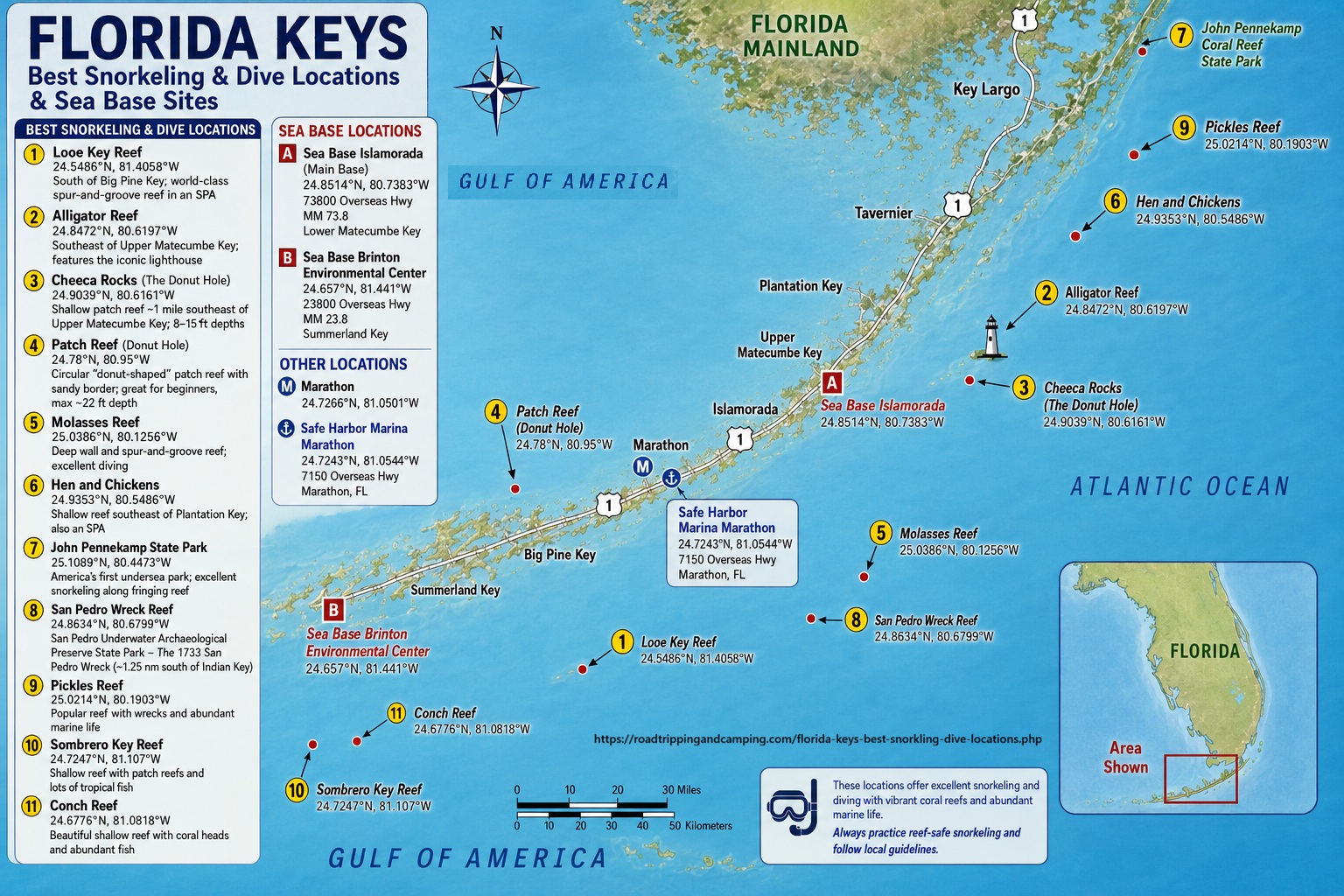
Sea Base Gear Guides
- Packing checklist
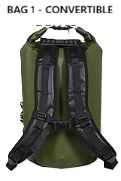
- Duffle bags, waterproof ($20 - $65)
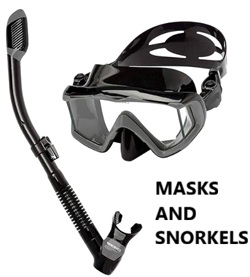
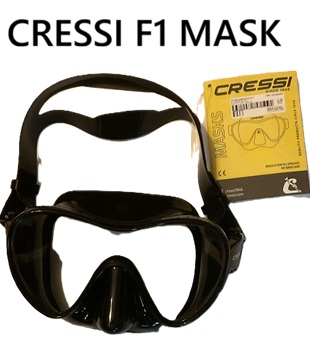
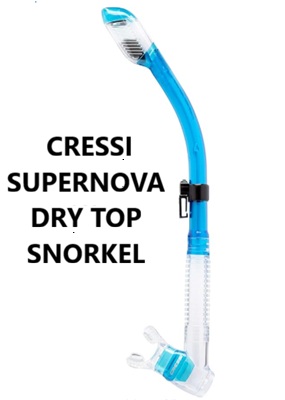
- Snorkel and Mask - ($25 - $200)
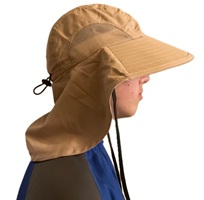
- Clothing: sun hat,
sun shirts,
dive gloves, dive socks,
sandals, Hawaiian Luau
shirt, etc
- Water bottles
- Sunglasses, straps
- Neck gaiter / buff
- Rain poncho
- Misc: clothespins, Paracord, clamps with Paracord
- Towels
- Kits (first aid, personal hygiene)
- Sunscreen and bug lotions
- Sleeping gear - mats - pads, liner insert, pillows
- Electronics - headlamp, battery/power pack
- Cameras: waterproof, from $40 - $400
Sea Base Brinton and Islamorada Trips: Tips, FAQs and Trip Information
- A typical Itinerary for Islamorada Coral Reef Sailing
 A Typical Itinerary for an Islamorada
Keys Adventure Sailing (KS)
A Typical Itinerary for an Islamorada
Keys Adventure Sailing (KS)- A Typical Itinerary for an Keys Adventure Islamorada (KI)
- A typical itinerary for a Brinton (BEC Summerland Key) Fishing Adventure
- Ground Transportation
- Islamorada dorms - if you stay there your first or last night (unlikely, ask your trip organizer / leader)
- Glamping Tents - if you stay there your first or last night (unlikely, ask your trip organizer / leader)
- Souvenirs
- Sleeping on sailboats
- Laundry at Islamorada (if you have time there on the morning you return to Sea Base)
- Required forms, and tips to organizing them
- Fishing licenses (none needed)
- Florida Keys Fishing Tips (types of fish, photos, lures, baits, methods)
- Ship bathrooms (the Head), pizza and more oddball stuff.
- Paperwork
- Florida Keys Fishing Tips (types of fish, photos, lures, baits, methods) This page has photos of each type of fish and more information.
- Sea Base Adventure cost estimator, calculator AND packing checklist
- The full official 2026 Sea Base Keys Islamorada Sailing Adventure guidebook (PDF)
More Information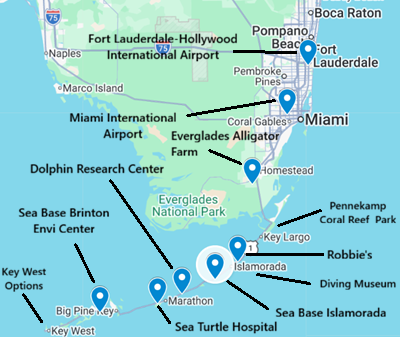
- What can you do after finishing at Sea Base plenty of fun stuff nearby or on the way to the airport.
- FAQs : Sea Base frequently asked questions - the constantly growing FAQs page is here.
- Keys Islamorada Sailing Adventure packing list -
and here is the complete
Keys Islamorada Sailing Adventure
guidebook
This covers: Coral Reef Sailing, Eco Sailing, Sea Exploring, Keys Adventure Sailing, and Keys Adventure Islamorada - The Unofficial Sea Base page with loads more information about Sea Base.
- Underwater Cameras, underwater and action cameras, GoPro's etc all options from $40 - $700
- Florida Keys Fishing Tips
- Merit badge requirements you can complete while on a Sea Base Adventure!
- Sea Base Awards Scouts Can Get At Sea Base
- Sea Base Forms, and tips to organizing them for a speedy check-in!

Sea Base Islamorada guides
- Sea Base - What to know; checking in, site map, photos, etc
- All sailing Adventures
- Coral Reef Sailing
- Keys Adventure Islamorada(KI)
- Eco Sailing,
- Sea Exploring,
- SCUBA
- Dorms at Islamorada
- Sea Base Ship Store (in the Keys) prices, photos
- Islamorada Sea Base tips and info
Sea Base Brinton BEC guides
- BEC Keys Adventure
- BEC Out Island Adventure
- BEC Florida Fishing Adventure
- BEC site map, dorms, check-in, more
St Thomas / Bahamas guides
Gear
- Packing checklist and calculator
- Selecting snorkels and masks
- Guide to underwater cameras
- Duffle bag choices
- Sleeping liners, mats, etc
- Reef-safe sunscreens: Blue Lizard or Banana Boat
- Self-inflating foam mats
- Sea Base forms and documents
Sea Base Info
- Sailboats: detailed inside photos and info
- Sea Base trip tips
- Sea Base FAQs
- Awards Scouts Can Get At Sea Base
- Guide to custom crew shirts
- Merit badges at Sea Base
- Sailing and Boating Terms
- Best snorkeling locations
- Fish and marine life you will see (photos)
- Fishing: edible fish identifer
- Things to do before/after Sea Base
Related Interests
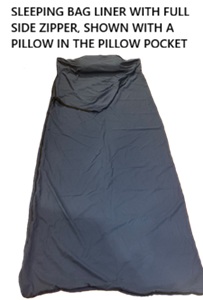 Sleeping bag insert / liner
(with zipper and pillow pocket)
to use instead of a sleeping bag in hot climates
Sleeping bag insert / liner
(with zipper and pillow pocket)
to use instead of a sleeping bag in hot climates
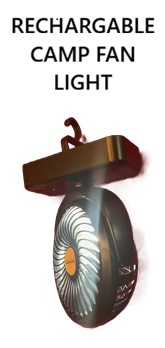 Portable Camping LED Light and Fan, 40hrs Rechargeable,
stands or hangs in tent/ ground.
Portable Camping LED Light and Fan, 40hrs Rechargeable,
stands or hangs in tent/ ground.
 Self-inflating foam mat,
Folding Foam Pads,
Therm-a-Rest,
or
Klymit Static V
Self-inflating foam mat,
Folding Foam Pads,
Therm-a-Rest,
or
Klymit Static V
 Towels - Fast
Drying Lightweight Microfiber Travel Towels
Towels - Fast
Drying Lightweight Microfiber Travel Towels
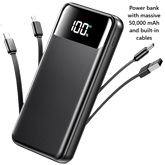 Portable Power Bank 50,000 mah, Ultra-High Capacity Battery Pack,2 USB Output High Speed Charging Power bank